
Last Updated: December 24, 2025
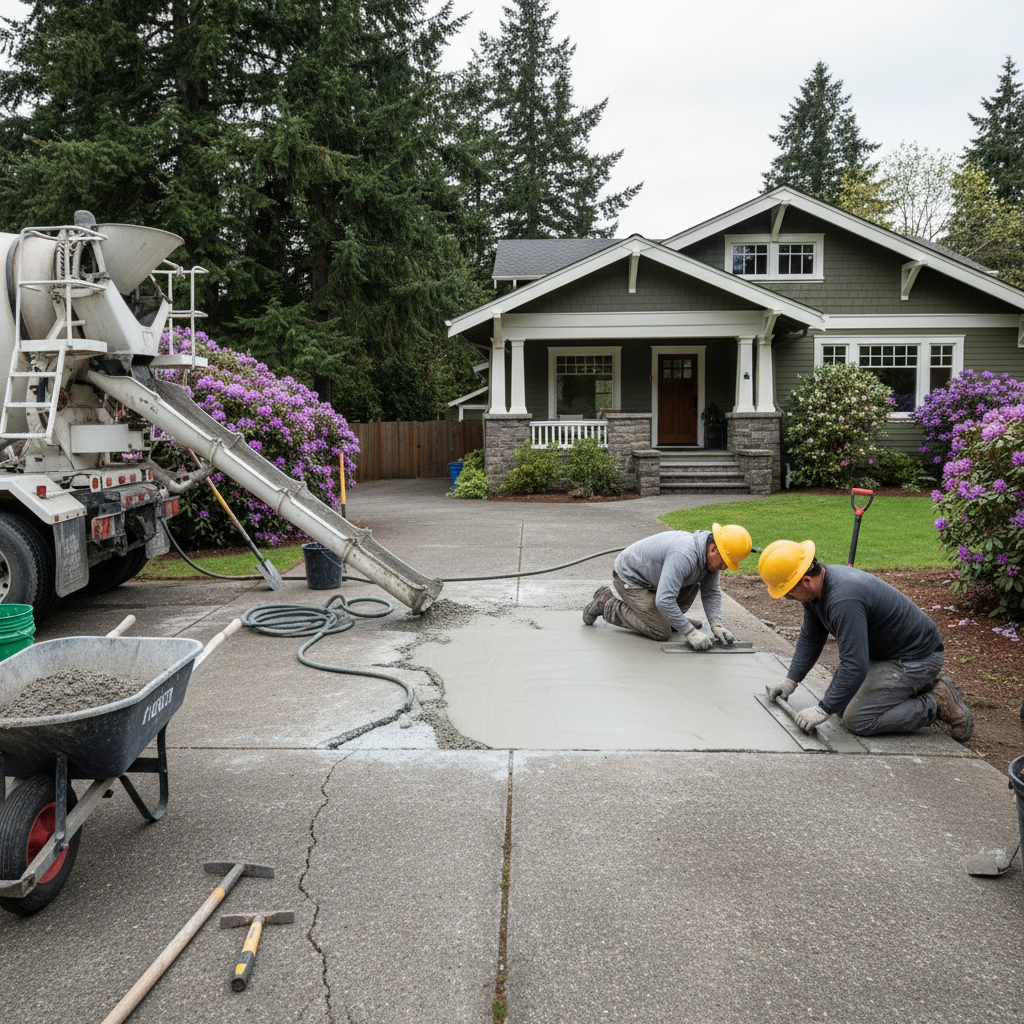
Cracks zigzagging across your driveway? Uneven concrete creating trip hazards around your home? If you’re searching for concrete repair services near me Salem Oregon, you’re likely facing damage that threatens both safety and property value. Salem’s freeze-thaw cycles and expansive soils create unique challenges that demand expert intervention—and waiting only makes repairs more expensive.
Local contractors understand these regional conditions better than anyone. From spalling driveways in Keizer to foundation issues in West Salem, professional repair services restore structural integrity while preventing progressive deterioration. Whether you’re dealing with minor surface cracks or major slab settling, choosing the right concrete repair provider makes all the difference in long-term durability.
Quick Answer: What You Need to Know About Salem Concrete Repair
Professional concrete repair services in Salem, OR address cracking, spalling, settling, and structural damage through techniques like polyurethane injection, resurfacing, and slab replacement. Local contractors evaluate soil conditions, freeze-thaw damage, and load-bearing requirements to recommend cost-effective solutions that extend concrete lifespan by decades without full replacement.
Key Takeaways:
- Salem’s climate causes unique concrete damage through freeze-thaw cycles and soil expansion
- Professional repairs cost 40-60% less than full replacement while adding years of service life
- Polyurethane injection and helical piers address sinking slabs common in 30-50 year-old homes
- Licensed contractors provide free evaluations analyzing crack patterns, soil conditions, and structural integrity
- Immediate repair prevents progressive failure that escalates repair costs exponentially
Understanding Concrete Damage in Salem’s Unique Environment
Salem’s position in the Willamette Valley creates perfect conditions for concrete deterioration. Winter temperatures frequently hover around freezing, causing moisture trapped in concrete to expand and contract repeatedly. This freeze-thaw cycle—documented extensively by Federal Highway Administration research—creates internal pressure that leads to surface spalling and structural cracking.
The region’s expansive clay soils compound these problems. When saturated during Salem’s wet winters, soil beneath concrete slabs swells, then contracts during drier months. This constant movement creates uneven settling, particularly noticeable in neighborhoods like South Salem (97302) and Lancaster (97305) where older homes dominate. Before beginning any repair work, our teams coordinate with Pacific Power and Portland General Electric to mark utility lines—a critical safety step that prevents costly damage and dangerous situations.
Common Types of Concrete Damage in Salem Properties
Surface spalling appears when the top layer of concrete flakes away, exposing aggregate underneath. This cosmetic issue often signals deeper moisture penetration that requires prompt attention. Structural cracking runs deeper, compromising load-bearing capacity and allowing water infiltration that accelerates deterioration.
Slab settling creates dangerous trip hazards and drainage problems. When soil beneath concrete compresses unevenly—common near the intersection of Commercial Street and Mission Street where older infrastructure meets newer development—sections sink at different rates. Joint separation occurs where concrete meets foundations, walkways, or other structures, creating gaps that channel water directly to vulnerable areas.
Why Salem’s Climate Demands Specialized Repair Approaches
Generic concrete repair methods fail in Salem’s environment. Standard patching compounds lack the air entrainment needed to withstand freeze-thaw cycles, leading to premature failure. Professional contractors specify air-entrained concrete mixes that contain microscopic air bubbles, providing space for frozen moisture to expand without creating internal pressure.
When searching for concrete repair services near me Salem Oregon, homeowners should prioritize contractors who understand these regional requirements. The difference between a repair lasting two years versus twenty often comes down to material selection and proper substrate preparation—knowledge that separates experienced local providers from generalists.
Common Mistakes That Make Concrete Problems Worse
Well-intentioned homeowners often accelerate concrete deterioration through improper DIY attempts. Understanding these pitfalls helps you avoid costly mistakes while recognizing when professional intervention becomes essential.
Ignoring Warning Signs Until Damage Becomes Structural
That hairline crack you noticed last spring? It’s now a quarter-inch wide and allowing water to penetrate beneath your slab. Small cracks propagate rapidly through freeze-thaw action, transforming minor cosmetic issues into major structural repairs. When we evaluate properties in West Salem and Hayesville, we consistently find that delayed intervention costs homeowners three to five times more than early repairs would have.
Concrete damage follows an exponential curve. Surface cracks become structural failures. Minor settling creates major elevation differences. Water infiltration undermines soil stability, causing additional settling in a destructive feedback loop. The EPA’s soil research demonstrates how moisture changes soil bearing capacity—knowledge that informs our repair timing recommendations.
Using Inappropriate Materials for Oregon’s Climate
Hardware store concrete patch compounds rarely contain proper air entrainment or adequate freeze-thaw resistance. These products work fine in stable climates but fail within months in Salem’s conditions. Similarly, applying surface sealers over damaged concrete traps moisture inside, accelerating spalling rather than preventing it.
Professional concrete services use high-compressive-strength materials specifically engineered for regional conditions. These specialized mixes cost more initially but eliminate repeated repair cycles that drain budgets over time.
Attempting Complex Repairs Without Proper Equipment
Slab leveling requires precision equipment that injects polyurethane foam at controlled pressures—tools unavailable to homeowners. Foundation repairs demand soil analysis and load calculations. Attempting these projects without professional equipment leads to incomplete repairs that fail quickly or, worse, create new structural problems.
The science of concrete repair combines material engineering, soil mechanics, and structural analysis. While DIY enthusiasts can handle minor cosmetic patching, anything affecting structural integrity or drainage patterns requires professional evaluation and execution.
Proven Repair Methods for Salem Concrete Problems
Modern concrete repair technology offers solutions our predecessors never imagined. These proven methods address Salem’s specific challenges while providing decades of reliable service.
Polyurethane Injection for Slab Leveling
When concrete slabs sink due to soil compression—extremely common in Salem’s clay soils—polyurethane injection provides remarkable results. Technicians drill small holes through the concrete, then inject expanding foam that fills voids and lifts settled sections. The process takes hours rather than days, with immediate usability.
This method costs 50-70% less than slab replacement while achieving the same functional outcome. The injected polyurethane remains stable indefinitely, unaffected by moisture or temperature variations. For driveway repairs throughout zip codes 97301 and 97302, this technique restores safe, level surfaces without demolition waste or lengthy curing times.
Structural Crack Repair with Epoxy Injection
True structural cracks that compromise load-bearing capacity require epoxy injection rather than surface patching. Technicians inject two-part epoxy resin under pressure, forcing material deep into cracks where it bonds concrete together at molecular level. Once cured, epoxy-repaired concrete often exceeds original strength.
This method works exceptionally well for foundation repairs and load-bearing slabs. The key lies in proper surface preparation—crack edges must be clean and dry for optimal bonding. Professional contractors know exactly when epoxy injection provides appropriate repair versus situations requiring helical piers or underpinning.
Resurfacing and Overlay Systems
When concrete remains structurally sound but surfaces show extensive spalling or discoloration, polymer-modified overlay systems restore appearance and durability. These thin applications—typically half-inch to one-inch thick—bond to existing concrete, providing fresh surfaces that resist further deterioration.
Modern overlays can match existing colors and textures or create entirely new aesthetics. For patio restoration projects, these systems offer design flexibility impossible with basic patching. The underlying concrete must be stable—resurfacing cannot correct settling or structural deficiencies.
Step-by-Step: What to Expect During Professional Repair
Understanding the repair process helps homeowners make informed decisions and set realistic expectations. Here’s how professional concrete repair unfolds from initial contact through project completion.
Initial Evaluation and Damage Assessment
Reputable contractors provide free on-site evaluations. During this visit, experienced technicians examine crack patterns, measure elevation differences, assess soil conditions, and identify underlying causes. They look beyond obvious damage to determine whether problems stem from soil issues, structural overload, poor original construction, or natural aging.
This diagnostic phase separates professional services from quick-fix operators. Proper evaluation prevents treating symptoms while ignoring root causes—an approach that leads to recurring failures. Contractors should explain their findings clearly, outlining multiple repair options with transparent cost estimates for each approach.
Preparation and Site Protection
Before repair work begins, crews protect surrounding areas from damage and debris. For injection-based repairs, this involves minimal preparation. Replacement projects require excavation equipment, dumpsters for demolished concrete, and careful staging to maintain property access throughout the project.
Professional teams mark utility locations—coordinating with Pacific Power, Portland General Electric, and municipal water services—before any digging begins. This critical safety step protects both workers and homeowners while preventing service disruptions. The City of Salem requires specific permit protocols for concrete work affecting drainage or structural elements.
Repair Execution and Quality Control
Repair timelines vary dramatically by method. Polyurethane injection typically completes in hours with immediate usability. Epoxy repairs require 24-48 hours curing before allowing traffic. Full slab replacements need seven days minimum before bearing weight, with 28 days for maximum strength development.
Quality contractors monitor weather conditions closely. Concrete work requires temperatures above 40°F for proper curing—challenging during Salem winters but manageable with proper planning. They use curing compounds or moisture-retaining covers to optimize strength development regardless of ambient humidity.
Cost Factors and Investment Considerations
Concrete repair costs vary significantly based on damage severity, repair method, project accessibility, and material requirements. Understanding these variables helps homeowners budget appropriately while recognizing when immediate action saves money long-term.
| Repair Type | Typical Cost Range | Durability |
|---|---|---|
| Surface patching (per sq ft) | $3-$8 | 5-10 years |
| Polyurethane slab lifting | $5-$15 per sq ft | 20+ years |
| Epoxy crack injection | $200-$800 per crack | 15-25 years |
| Complete slab replacement | $6-$12 per sq ft | 30-50 years |
Project accessibility significantly impacts costs. Backyard patios requiring equipment to navigate narrow side yards cost more than front driveways with easy access. Excavation depth matters too—foundation repairs involving deep soil stabilization cost substantially more than surface-level work.
Smart homeowners view concrete repair as investment protection rather than mere expense. A $2,000 repair today prevents $10,000 foundation work tomorrow. Property values directly correlate with concrete condition—buyers notice cracked driveways and settling slabs, using visible damage to negotiate aggressive price reductions.
Frequently Asked Questions
How long do concrete repairs typically last in Salem’s climate?
Professional repairs using air-entrained materials and proper techniques last 15-25 years for structural methods like epoxy injection, while polyurethane lifting provides 20+ years of service. Surface patching offers shorter lifespans (5-10 years) but costs significantly less, making it appropriate for cosmetic issues on structurally sound concrete.
Can concrete repairs be done during Salem’s rainy season?
Many repair methods work well during wet weather. Polyurethane injection and epoxy repairs tolerate damp conditions, though surfaces must be temporarily dried before application. Full slab replacements require dry weather forecasts for proper curing. Experienced contractors schedule work strategically, taking advantage of Salem’s occasional winter dry spells.
Should I repair or replace severely damaged concrete?
Replacement becomes necessary when concrete shows extensive cracking affecting over 30% of the surface, severe settling exceeding two inches, or structural failure compromising load-bearing capacity. However, many situations that appear irreparable respond well to combination approaches—stabilizing settled sections while replacing only the most damaged areas saves considerable expense.
Do concrete repairs require permits in Salem?
Minor repairs typically don’t require permits, but projects affecting structural elements, drainage patterns, or involving significant excavation may need City of Salem approval. Licensed contractors handle permitting requirements, ensuring work meets local codes. This protects homeowners from compliance issues that surface during property sales.
How do I choose between multiple concrete repair contractors?
Prioritize licensed, insured contractors providing detailed written estimates. Look for providers explaining underlying damage causes rather than just quoting patch work. Request references from recent projects and verify those contacts. Established local businesses like Salem Concrete understand regional conditions better than transient operators, translating to repairs that withstand Salem’s unique environmental challenges.
Take Action Before Minor Damage Becomes Major Expense
Concrete deterioration never improves on its own. That crack you’re monitoring will grow. That settled section will sink further. Salem’s freeze-thaw cycles and expansive soils guarantee continued damage unless properly addressed. The question isn’t whether to repair—it’s whether you’ll handle it now at reasonable cost or later at exponentially higher expense.
Professional evaluation costs nothing and provides clarity about damage severity, appropriate repair methods, and realistic budgets. When you search for concrete repair services near me Salem Oregon, you’re taking the first step toward protecting your property investment. The contractors who thrive in Salem’s market do so by delivering durable solutions backed by regional expertise and proven materials.
Don’t let temporary budget concerns postpone necessary repairs. The mathematics work strongly in favor of early intervention—minor repairs now prevent major reconstruction later. Your concrete represents substantial investment in your property’s functionality and appearance. Protect that investment with timely professional repair that addresses both symptoms and underlying causes.
Ready to restore your concrete to safe, attractive condition? Contact our team for a comprehensive evaluation and transparent repair recommendations tailored to your specific situation and budget.
Sources and References
- Federal Highway Administration – Concrete Pavement Technology: https://www.fhwa.dot.gov/pavement/concrete/pubs/hif16026.pdf
- Environmental Protection Agency – Soil Research: https://www.epa.gov/soils
- City of Salem, Oregon: https://www.cityofsalem.net/