
Last Updated: December 30, 2025
Need a small concrete project completed but worried about finding a contractor willing to take on a smaller job? You’re not alone. Many homeowners in Salem, OR struggle to find reliable professionals for projects like sidewalk repairs, small patio pours, or shed foundations. While larger commercial contractors often prioritize big projects, specialized local teams focus specifically on residential work that makes your property more functional and attractive.
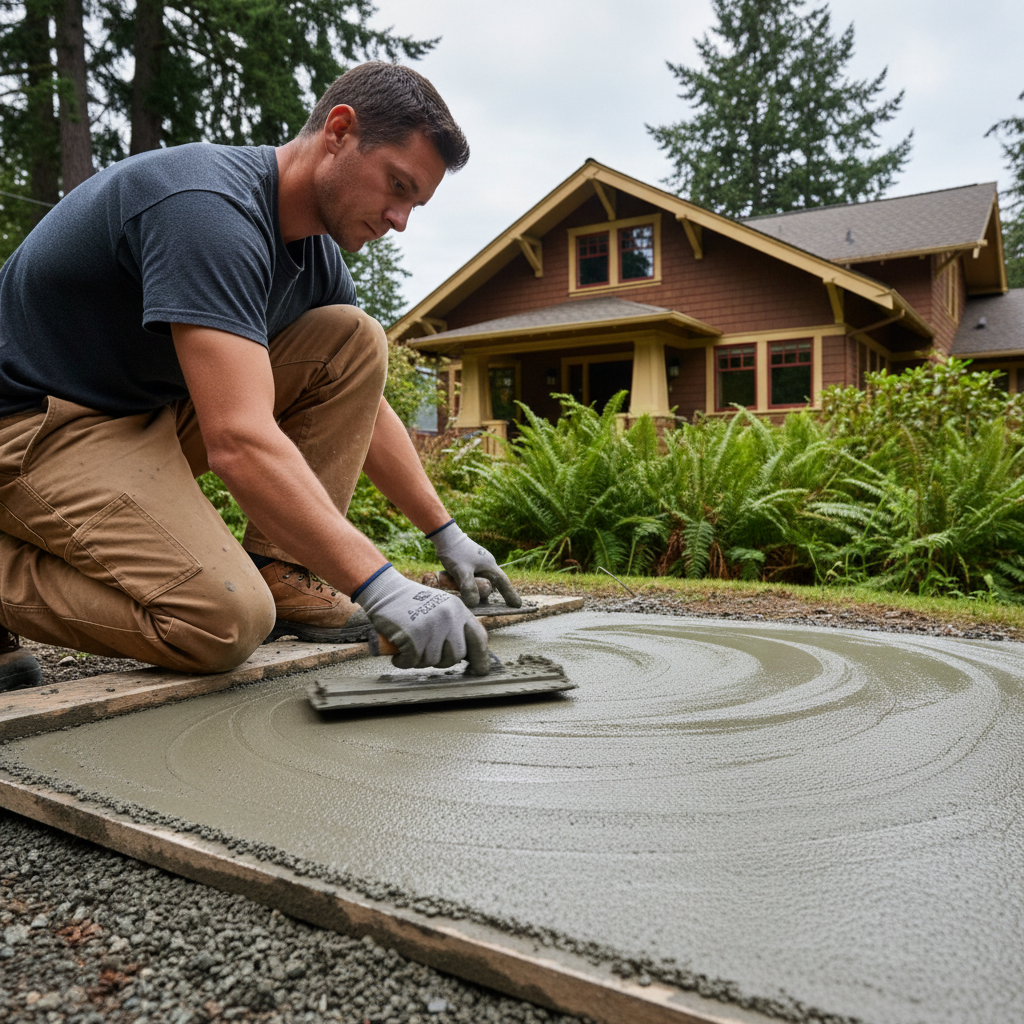
Small concrete pouring jobs in Salem require the same professional expertise as larger projects—proper site preparation, correct mix specifications for Oregon’s climate, and skilled finishing techniques. Whether you’re replacing a cracked walkway near the intersection of State Street and Commercial Street SE, or adding a concrete pad for outdoor equipment in South Salem, understanding what to expect helps ensure your project succeeds.
Quick Answer: What Counts as a Small Concrete Job?
Small concrete pouring jobs typically range from 50 to 500 square feet and include sidewalks, shed pads, small patios, AC unit pads, walkways, steps, and partial driveway repairs. These projects usually require 1-3 cubic yards of concrete and can be completed in one to two days by experienced professionals.
Key Considerations for Small Concrete Projects:
- Proper base preparation prevents settling and cracking
- Salem’s freeze-thaw cycles require air-entrained concrete mixes
- City of Salem, OR permits may be required for certain projects
- Professional finishing ensures long-lasting durability
- Most small jobs cost between $600-$3,500 depending on scope
Understanding Small Concrete Projects in Salem
Small concrete projects form the backbone of residential property maintenance and improvement throughout Salem. When we work with homeowners in neighborhoods from West Salem to Morningside, we consistently see requests for practical additions that enhance property function and curb appeal without requiring massive construction efforts.
Common Types of Small Concrete Jobs
The most frequent small concrete pouring jobs Salem homeowners request include sidewalk replacements, equipment pads for HVAC units or generators, small concrete patio services installations (typically 150-300 square feet), shed foundations, RV parking pads, and garden pathway systems. Each project type has unique requirements based on its intended use and location on your property.
Equipment pads require specific thickness and reinforcement to support heavy machinery loads. Walkways need proper drainage slopes to prevent water pooling. Shed foundations must be level and sized appropriately for the structure. These details matter tremendously for long-term performance, which is why experienced contractors focus on specifications rather than simply pouring concrete and hoping for the best.
Why Oregon Climate Matters for Concrete Work
Salem’s climate presents specific challenges for concrete durability. Our region experiences freeze-thaw cycles during winter months, where temperatures fluctuate above and below freezing. When moisture penetrates concrete and then freezes, it expands, creating internal pressure that causes cracking and surface deterioration over time.
Due to Oregon’s freeze-thaw cycles, we always specify air-entrained concrete for exterior projects. This specialized mix contains microscopic air bubbles that provide space for frozen moisture to expand without damaging the concrete matrix. It’s a regional specification that national contractors unfamiliar with Pacific Northwest conditions might overlook, but it’s absolutely critical for longevity in Salem’s climate. According to the Portland Cement Association, air-entrained concrete can increase freeze-thaw resistance by up to 500%.
Permit and Regulatory Considerations
The City of Salem requires building permits for certain concrete projects, particularly those affecting drainage patterns, right-of-way areas, or structures exceeding specific sizes. While a small equipment pad in your backyard typically doesn’t require permitting, sidewalk replacements adjacent to public streets or larger patio installations often do. Checking with Salem’s Building and Safety Division before starting work prevents costly complications down the road.
Professional contractors familiar with local requirements can guide you through the permitting process and ensure compliance with city standards. This local knowledge proves invaluable, especially for projects in historic districts or areas with specific development codes.
Common Mistakes with Small Concrete Projects
Even straightforward concrete work can go wrong without proper planning and execution. Understanding common pitfalls helps you avoid expensive repairs and ensures your project delivers lasting value.
Inadequate Base Preparation
The most common mistake we see across Salem, particularly in zip codes 97301 and 97302, is insufficient base preparation. Some homeowners assume concrete itself provides all the strength needed, but the base layer beneath determines long-term stability. Proper base preparation involves removing organic material, compacting soil, and installing a gravel sublayer that drains water away while providing uniform support.
When our team works throughout the greater Salem area, from Keizer Station (97303) to South Commercial Street neighborhoods, we consistently see settling issues in older concrete that lacked proper base work. A concrete slab is only as stable as what supports it. Skipping this foundational step to save time or money inevitably leads to cracking, sinking, and premature failure.
Wrong Concrete Mix Specifications
Not all concrete mixes are created equal. The standard 2,500 PSI mix works fine for some applications, but higher-traffic areas like concrete driveway services sections require 3,000-4,000 PSI strength. Similarly, exterior projects need air entrainment, while interior work doesn’t. Using the wrong mix compromises durability and performance.
Temperature conditions during pouring also matter significantly. Concrete poured during hot summer days requires different handling than fall installations. Professional contractors adjust water content, curing methods, and timing based on weather conditions to ensure optimal strength development.
Ignoring Drainage and Slope Requirements
Water management is critical for concrete longevity. Flat surfaces that don’t drain properly collect water, which seeps into joints and cracks, accelerating deterioration. Every concrete surface should slope away from structures at a minimum rate of 1/4 inch per foot to ensure proper drainage. Before any digging work near utilities, we coordinate with Portland General Electric and Northwest Natural Gas to mark underground lines, preventing dangerous and costly accidents.
Best Approach for Planning Your Small Concrete Project
Success with small concrete jobs starts with thoughtful planning and realistic expectations. Following a structured approach ensures your project delivers the results you want within your budget and timeline.
Define Your Project Scope and Purpose
Start by clearly defining what you need. A decorative walkway has different requirements than a utility pad for storing equipment. Understanding the project’s purpose helps contractors recommend appropriate specifications for thickness, reinforcement, finishing, and drainage. When customers visit locations near Bush’s Pasture Park or Riverfront City Park, they often ask about decorative options that complement Salem’s aesthetic character.
Consider long-term needs, not just immediate requirements. If you might expand your patio later, planning for that possibility now can save money by ensuring proper joint placement and consistent finish quality. Our experience working with Salem residents shows that thinking ahead prevents costly modifications down the line.
Research and Select Qualified Contractors
Finding contractors who specialize in small residential projects ensures they have the right equipment, expertise, and interest in your job. Large commercial contractors may charge premium rates for small projects or deprioritize them when bigger opportunities arise. Look for local professionals with specific experience in residential concrete work throughout Salem neighborhoods.
Check references, review project portfolios, and verify licensing and insurance coverage. Oregon requires contractors performing work valued over $1,000 to be licensed through the Oregon Construction Contractors Board. This licensing ensures basic competency standards and provides consumer protections if problems arise.
Get Detailed Written Estimates
Quality estimates detail specific work to be performed, materials used, dimensions, thickness, reinforcement, finishing techniques, and timeline. Vague estimates that simply list a square footage price without specifications leave room for misunderstandings and disappointments. A detailed estimate protects both parties by establishing clear expectations from the start.
Compare multiple estimates, but don’t automatically choose the lowest price. Extremely low bids often indicate shortcuts in base preparation, concrete quality, or reinforcement—shortcuts that compromise long-term performance. Mid-range estimates from established professionals typically offer the best value.
How to Prepare for Your Concrete Project
Proper preparation on your end helps contractors work efficiently and minimizes disruptions to your daily routine. Taking a few simple steps before work begins ensures smooth project execution.
Clear the Work Area
Remove furniture, planters, decorations, and any obstacles from the work area and surrounding access paths. Concrete trucks and equipment need clear paths to deliver materials and complete work efficiently. Moving items yourself saves contractor time and reduces your labor costs.
Mark any underground irrigation lines, electrical conduits, or drainage systems in the area. While contractors should verify utility locations, your knowledge of property-specific systems helps prevent accidental damage to features that aren’t registered with utility location services.
Plan for Site Access
Concrete trucks are large vehicles that need adequate access to pour efficiently. In some cases, concrete must be wheelbarrowed from the truck to the work area, which increases labor costs. When possible, arrange for the truck to position close to the pour location. Consider neighbor relations if trucks need to block streets temporarily, and communicate timing to affected parties.
Understand the Curing Process
Concrete gains strength through a chemical curing process that takes time. While concrete may look solid within hours, it shouldn’t be walked on for at least 24-48 hours, and vehicles shouldn’t drive on new driveways for at least seven days. Full strength development takes 28 days. Following curing guidelines ensures your concrete reaches its design strength and longevity.
Proper curing also involves keeping concrete moist during the first several days after pouring. Contractors typically apply curing compounds or plastic sheeting to retain moisture. In Salem’s dry summer months, additional water spraying may be necessary to prevent premature drying that causes surface cracking.
Frequently Asked Questions About Small Concrete Jobs
What does a small concrete project typically cost in Salem?
Small concrete projects in Salem typically range from $600 for basic equipment pads up to $3,500 for larger walkway systems or small patios. Costs depend on square footage, thickness, accessibility, site preparation requirements, and finishing options. Decorative finishes like stamping or staining add 20-40% to base costs.
How long does a small concrete job take to complete?
Most small concrete pouring jobs in Salem can be completed in one to two days—one day for site preparation and forming, and another day for pouring and finishing. Complex projects with multiple sections or decorative elements may require additional time. Weather conditions can extend timelines, particularly during rainy months when proper curing becomes more challenging.
Can concrete be poured year-round in Salem?
Concrete can be poured during most of the year in Salem, but winter months present challenges. Ideal pouring temperatures range from 50°F to 80°F. Cold weather requires special cold-weather mixes and protection measures to ensure proper curing. Very hot weather also requires adjustments to prevent rapid drying. Spring through fall offers optimal conditions for concrete work in the Salem area.
Do I need a permit for small concrete projects?
Permit requirements vary based on project type, size, and location. Simple equipment pads or small walkways in your backyard typically don’t require permits, but larger patios, sidewalk replacements adjacent to streets, or projects affecting drainage may require approval from the City of Salem. Your contractor should verify permit requirements for your specific project before beginning work.
How do I maintain concrete after installation?
Basic maintenance extends concrete life significantly. Seal concrete every 2-3 years to protect against moisture penetration and surface deterioration. Clean spills promptly, particularly oils and chemicals that can stain or damage surfaces. Avoid using deicing salts during winter, as these accelerate surface scaling. Address small cracks promptly with concrete caulk to prevent water infiltration and expansion.
Conclusion: Moving Forward with Your Small Concrete Project
Small concrete pouring jobs Salem homeowners tackle year-round deliver significant practical and aesthetic benefits to residential properties. Whether you’re adding a functional equipment pad, replacing damaged sidewalks, or creating a welcoming patio space, professional execution ensures lasting results that enhance your property value and enjoyment.
Success depends on proper planning, selecting qualified contractors, using appropriate materials for Oregon’s climate, and following correct installation procedures. The investment in professional work pays dividends through decades of reliable performance, while shortcuts and inexperienced contractors often lead to premature failure and expensive repairs.
When you’re ready to move forward with your concrete project, contact experienced local professionals who understand Salem’s specific requirements and can guide you through the process from planning to completion. Quality concrete work represents an investment in your property that delivers value for generations.
Sources and References
- Portland Cement Association – Air-Entrained Concrete Specifications
- Oregon Construction Contractors Board – Licensing Requirements and Consumer Protection
- City of Salem Building and Safety Division – Local permit requirements and building codes
Financial Disclaimer: Project costs and timelines mentioned are estimates based on typical Salem, OR market conditions as of December 30, 2025. Actual costs vary based on specific project requirements, site conditions, and contractor pricing. Obtain detailed written estimates for your specific project before proceeding.