
Last Updated: January 11, 2026
Recent Market Updates – Salem, OR
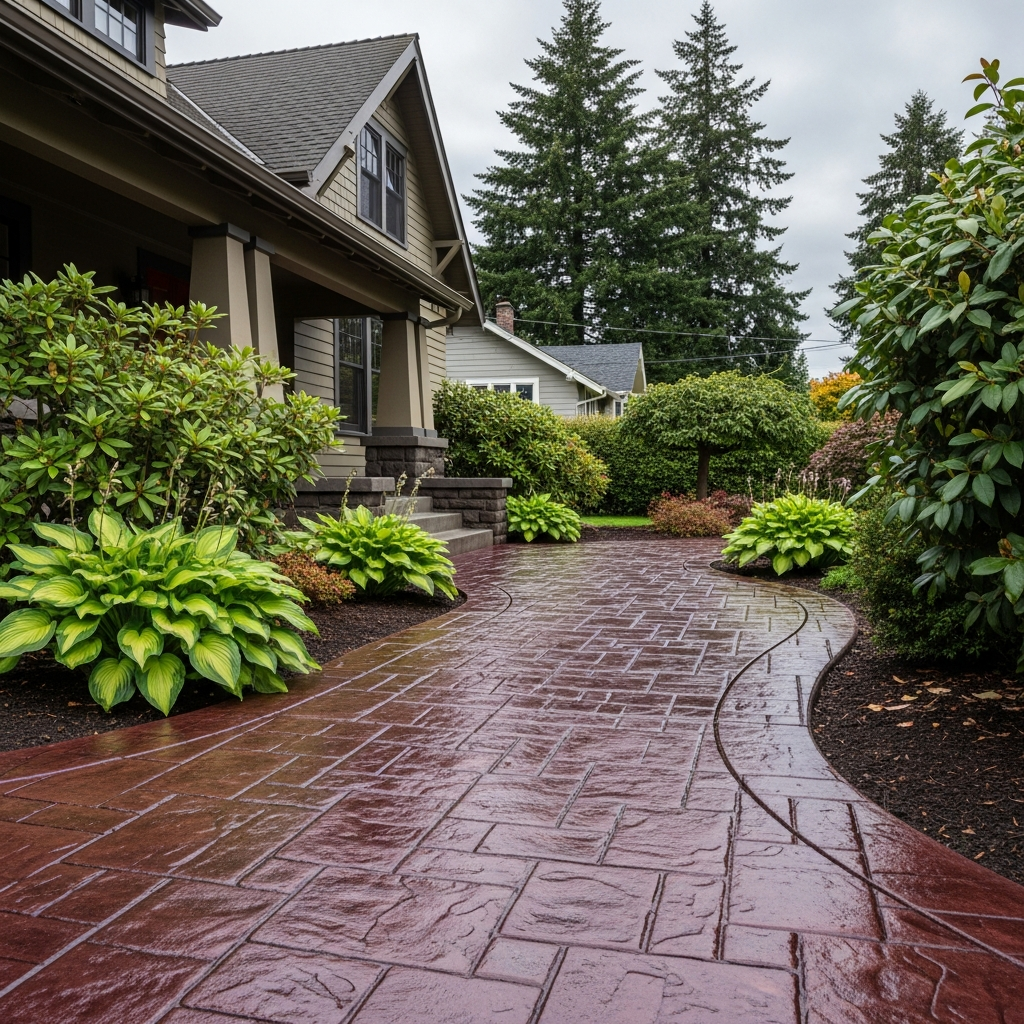
- Stamped concrete walkway installations in Salem now include advanced sealing technology to withstand Oregon’s wet climate cycles
- Local contractors report increased demand for multi-pattern designs integrating colored borders and antiquing effects
- Site preparation costs reflect Salem-area soil conditions and drainage requirements specific to the Willamette Valley
Are you tired of staring at a plain, cracked concrete walkway that does nothing for your home’s curb appeal? In Salem, OR, homeowners are increasingly discovering that stamped concrete walkways offer the elegance of natural stone or pavers without the premium price tag. But understanding the true investment—including design complexity, local soil conditions, and Oregon’s challenging weather—can mean the difference between a beautiful, durable path and a costly mistake.
As of January 2026, the stamped concrete walkway cost in Salem, OR involves two primary components: the base walkway installation and the decorative stamping upgrade. With Salem’s wet climate demanding proper drainage, sub-base preparation, and quality sealing, your walkway investment requires careful planning. This guide breaks down every cost factor, from pattern selection to site-specific considerations unique to the Willamette Valley, so you can budget accurately and avoid surprises.
Quick Answer: What Does a Stamped Concrete Walkway Cost in Salem, OR?
In Salem, OR, stamped concrete walkway projects include a base walkway installation (typically a 4-inch reinforced slab) plus a decorative stamping and coloring upgrade. The total investment depends on square footage, pattern complexity, color choices, site preparation needs, and local conditions like soil type and drainage requirements. Simple single-pattern designs run lower than intricate multi-color work with hand-detailed borders and antiquing effects.
Key Takeaways:
- Two-tier pricing structure: Base walkway slab plus decorative stamping/coloring as separate cost components
- Design complexity drives cost: Single patterns and one color are most economical; multiple patterns, borders, and hand-staining increase labor
- Salem-specific factors: Wet climate demands proper drainage, quality sealing, and base preparation for long-term performance
- Site conditions matter: Excavation needs, access limitations, existing surface removal, and soil type all affect the final investment
- Long-term value: Periodic resealing and maintenance protect your investment and preserve appearance for decades
Understanding Stamped Concrete Walkway Pricing Structure
When we work with homeowners throughout Salem, including neighborhoods near Bush’s Pasture Park and South Salem’s tree-lined streets, we explain that stamped concrete walkway pricing breaks down into distinct categories. Unlike a simple broom-finish sidewalk, a stamped concrete walkway requires specialized tools, materials, and skilled labor to create that decorative appearance.
The base cost covers your standard concrete walkway: forming, reinforcing steel or fiber mesh, concrete placement, and basic finishing. This foundation typically involves a 4-inch thick slab with proper sub-base preparation—especially critical in Salem where our clay-heavy soils and frequent rain demand excellent drainage solutions. We’ve learned through years of local work that skimping on base preparation leads to settlement and cracking, regardless of how beautiful the stamped pattern looks initially.
Base Walkway Installation Components
The foundation work for any concrete walkway in Salem, OR includes excavation, grading, compacted gravel base (typically 4-6 inches), and forming. According to data from Oregon state building resources, proper sub-base preparation is essential for preventing frost heave and managing water drainage in the Willamette Valley’s climate zone. In our experience working around established neighborhoods like West Salem (97304) and Keizer Station area (97303), we often encounter tree roots, old irrigation lines, and varying soil conditions that require additional excavation or engineering.
The concrete itself—a standard 4-inch reinforced slab—includes rebar or welded wire fabric for crack control and structural integrity. Salem’s building codes require proper reinforcement for pedestrian walkways, particularly when connecting to existing structures like porches or driveways. Before any concrete pour, our teams coordinate with local utility providers to mark underground lines, ensuring safe excavation and preventing costly damage.
Decorative Stamping and Coloring Upgrades
The decorative component—what transforms plain concrete into an attractive stamped walkway—adds significant value and cost. This upgrade includes color hardeners or integral color mixed into the concrete, release agents that prevent stamping mats from sticking, the actual pattern stamping process, and initial sealing. Pattern complexity is the single biggest driver of this decorative cost. A simple ashlar slate pattern stamped in one direction with a single color requires far less labor than an elaborate design featuring multiple stone patterns, contrasting borders, hand-detailed grout lines, and antiquing stains.
For homeowners considering stamped concrete for driveways as well, the same principles apply: base work plus decorative finishing, with costs scaling by square footage and design choices.
Common Mistakes When Planning Your Salem Walkway Project
Over the years working in Salem’s diverse neighborhoods—from the historic Fairmount Hill area to newer developments near Orchard Heights—we’ve seen homeowners make several costly errors when planning stamped concrete walkways. Understanding these pitfalls can save you thousands of dollars and years of frustration.
Underestimating Site Preparation Needs
The biggest mistake we encounter is homeowners focusing entirely on the visible stamped surface while neglecting what lies beneath. In Salem’s soil conditions—particularly in areas with heavy clay content—inadequate drainage and base preparation guarantee future problems. We’ve removed and replaced numerous walkways where the previous contractor skipped proper excavation, compacted base, or drainage solutions. According to Oregon building guidelines, a minimum 4-inch compacted gravel base is essential, but we often recommend 6 inches in areas with poor drainage or expansive soils.
Another common error involves rushing the project during Salem’s rainy season. While modern concrete technology allows cold-weather pours, stamped concrete requires ideal conditions for proper color application and pattern stamping. Scheduling your project during Salem’s drier months (typically June through September) ensures better results and reduces weather-related delays.
Choosing Overly Complex Designs Without Considering Maintenance
While intricate multi-pattern designs with elaborate coloring look stunning in photos, they require more maintenance and more frequent resealing to preserve their appearance. In Oregon’s wet climate with moss and algae growth, heavily textured patterns trap more organic matter and require more cleaning. We typically recommend simpler patterns with moderate texture for walkways that see heavy foot traffic or shade from trees—conditions common throughout Salem’s established neighborhoods.
Failing to Plan for Proper Control Joints
Concrete will crack—that’s a certainty. The question is whether cracks occur in planned control joints or randomly across your beautiful stamped pattern. Professional installations include strategically placed control joints that are either cut into the concrete or formed during stamping to guide inevitable cracking to inconspicuous locations. Skipping this step to save a few dollars almost always results in unsightly random cracks that undermine the decorative investment.
What Affects Stamped Concrete Walkway Cost in Salem, OR?
Every stamped concrete walkway project in Salem carries unique cost factors based on your specific property conditions and design preferences. Understanding these variables helps you budget accurately and make informed decisions about where to invest your dollars.
Square Footage and Layout Complexity
Like most construction projects, larger walkways benefit from economy of scale—the per-square-foot cost typically decreases as total square footage increases because setup, mobilization, and equipment costs are spread over more area. However, layout complexity can offset this advantage. A straight 4-foot-wide path running 50 feet from your driveway to front door is far more economical than a winding path with multiple curves, steps, landings, and integration with existing landscaping features.
In Salem’s older neighborhoods where properties feature mature landscaping, elevation changes, and existing hardscaping, our teams spend considerable time on custom forming and hand-detailing around obstacles. These labor-intensive aspects increase costs but are necessary for professional results that complement your home’s architecture.
Pattern and Color Selections
Your design choices directly impact labor time and material costs. Simple patterns like ashlar slate, cobblestone, or basic brick with single-color application represent the most economical option. These designs require straightforward stamping techniques and minimal color work, reducing both material costs and labor hours. Mid-range designs add borders, accent bands, or two-color systems that require additional stamping mats and more careful color application.
High-end custom work—featuring multiple patterns, hand-cut saw designs, three or more colors, antiquing stains, and hand-detailed grout lines—can double the decorative portion of your investment. For those interested in expanding their outdoor concrete work, many homeowners coordinate walkways with projects from patio contractors in Salem to create cohesive outdoor living spaces.
Site Access and Existing Conditions
Properties with limited access present significant challenges. If concrete trucks, equipment, and crews cannot easily reach your walkway location, costs increase due to additional labor for wheelbarrowing concrete, hand-carrying materials, or using specialized pumping equipment. We’ve worked on Salem hillside properties where narrow side yards, fenced backyards, and steep slopes required concrete pumping services—an added expense that can significantly impact your total investment.
Existing surface removal adds another cost layer. If you’re replacing an old concrete walkway, asphalt path, or removing pavers, demolition, and disposal expenses must be factored in. In Salem, we work throughout zip codes 97301, 97302, and 97304, where older homes often have deteriorated concrete that requires complete removal before new installation.
Best Practices for Salem Stamped Concrete Walkways
After completing hundreds of stamped concrete projects across Salem and the surrounding Willamette Valley, we’ve identified specific best practices that ensure long-lasting, beautiful results in Oregon’s unique climate.
Prioritize Proper Drainage and Slope
Salem receives approximately 40 inches of annual rainfall, with the wettest months concentrated between October and March. Proper drainage isn’t optional—it’s critical. Every walkway should slope at least 1/4 inch per foot away from structures to prevent water pooling and minimize freeze-thaw damage during our occasional winter freezes. We also integrate drainage solutions like French drains or catch basins when working in low-lying areas prone to standing water.
One contrarian local insight we’ve learned: Unlike contractors in drier climates who might use standard 3,000 PSI concrete, we typically specify air-entrained concrete mixes with at least 3,500 PSI strength for Salem walkways. The air entrainment creates microscopic bubbles that allow space for water expansion during freezing, preventing surface scaling and spalling—damage patterns we commonly see on improperly specified concrete in Oregon’s climate.
Select Appropriate Texture for Salem’s Climate
Heavily textured stamped patterns look dramatic but can become slippery when wet—a serious concern in rainy Salem. We recommend moderate-texture patterns that provide slip resistance without creating deep crevices where moss and algae thrive. Smooth slate patterns with light texture or gently rolled cobblestone designs offer excellent traction while remaining easier to clean and maintain.
Invest in Quality Sealing and Maintenance
The sealer is your walkway’s primary defense against Oregon weather, UV exposure, and wear. We use high-quality acrylic or polyurethane sealers specifically formulated for wet climates. Initial sealing typically occurs 28 days after installation once the concrete has fully cured. Thereafter, resealing every 2-3 years maintains color vibrancy, protects against staining, and makes cleaning easier. When considering the full scope of your concrete services, factor in this ongoing maintenance for long-term beauty and durability.
How to Plan Your Stamped Concrete Walkway Project
Successful stamped concrete walkway projects begin with thorough planning and realistic expectations. Here’s our step-by-step process for Salem homeowners.
Step 1: Measure and Assess Your Space
Start by measuring your walkway’s length and width to calculate square footage. For curved or irregular paths, break the area into sections and add them together. Document existing conditions: current surface type, drainage issues, slope, access points, and any obstacles like utility boxes, trees, or landscaping features. Take photos from multiple angles—these help contractors provide accurate quotes and identify potential challenges.
Step 2: Research Design Options and Set Priorities
Browse stamped concrete pattern options online or visit local showrooms to see samples. Consider how patterns will complement your home’s architecture—modern homes often pair well with clean geometric patterns, while traditional styles suit natural stone or brick looks. Create a priority list: Is durability most important? Visual impact? Budget? This clarity helps guide decisions when reviewing contractor proposals.
Step 3: Obtain Multiple Detailed Quotes
Contact at least three experienced contractors serving Salem. Provide identical information to each: square footage, design preferences, site conditions, and timeline. Detailed quotes should break down base walkway installation, decorative stamping and coloring, site preparation, existing surface removal (if applicable), and sealing. Beware of quotes that lump everything into one line item—transparency matters when comparing options.
Step 4: Verify Credentials and Review Past Work
Confirm each contractor carries proper licensing, insurance, and bonding as required by Oregon law. Request references from recent Salem-area projects and actually follow up with those homeowners. Ask to see photos of completed work—ideally including projects several years old so you can assess how well the work has held up over time in our climate.
Frequently Asked Questions
How long does a stamped concrete walkway last in Salem?
With proper installation, quality materials, and regular maintenance (periodic cleaning and resealing every 2-3 years), a stamped concrete walkway in Salem should last 25-30 years or more. The key factors are adequate base preparation, air-entrained concrete for freeze-thaw resistance, and consistent sealer maintenance to protect against Oregon’s wet climate.
Can stamped concrete be installed year-round in Salem?
While concrete can technically be placed year-round with proper precautions, stamped concrete performs best when installed during Salem’s drier months (May through October). The stamping and coloring process requires specific temperature and moisture conditions for optimal results. Winter installations risk rain interference, extended curing times, and potential freeze damage before the concrete reaches full strength.
Is stamped concrete slippery when wet?
Texture level determines slip resistance. Lightly textured or heavily sealed smooth patterns can become slippery in Salem’s frequent rain. However, properly textured patterns with appropriate non-slip sealers provide good traction even when wet. Discuss slip resistance specifically with your contractor, especially for walkways on slopes or in shaded areas where moisture lingers.
What’s the difference between stamped concrete and pavers for a walkway?
Stamped concrete is a continuous slab with patterns pressed into the surface, while pavers are individual units installed piece by piece. Stamped concrete typically costs less initially and offers fewer weed/moss growth points (no gaps between units). Pavers allow easier repairs of isolated damage but cost more upfront and require edge restraints and periodic re-leveling. Both work well in Salem when properly installed.
How much does removing an old walkway add to the project cost?
Demolition and disposal of existing concrete or asphalt walkways adds to your total investment. The amount depends on thickness, reinforcement, size, and disposal fees at local Salem facilities. A typical 4-inch residential walkway removal generally adds a per-square-foot charge for demo labor plus disposal fees. Contractors should provide a separate line item for this work in their quotes.
Conclusion: Making Your Salem Walkway Investment Count
Understanding stamped concrete walkway cost in Salem, OR involves more than just a per-square-foot calculation. Your investment breaks down into base walkway construction, decorative stamping and coloring upgrades, site-specific preparation, and long-term maintenance—all influenced by Salem’s unique climate conditions and soil characteristics. By prioritizing proper drainage, choosing appropriate patterns for Oregon weather, and committing to regular resealing, you’ll create a beautiful, durable walkway that enhances your home’s curb appeal for decades.
The most successful projects we’ve completed throughout Salem—from South Salem (97302) to West Salem (97304) and everywhere in between—share common elements: realistic budgets that account for site conditions, design choices that balance aesthetics with practicality, and homeowners who understand the value of quality installation and ongoing maintenance. Whether you’re replacing a cracked sidewalk, creating a welcoming entry path, or connecting different areas of your property, stamped concrete offers an excellent middle ground between plain concrete and expensive natural stone.
Take time to plan your project thoroughly, obtain detailed quotes from experienced contractors, and don’t sacrifice quality for the lowest bid. Your walkway is a long-term investment in your home’s functionality and beauty—one that deserves careful consideration and professional execution tailored to Salem’s specific conditions.
Sources and References
- Oregon State Building Resources – Oregon.gov
- Building codes and construction standards for the Willamette Valley region
- Climate data and precipitation patterns for Salem, Oregon
- Local contractor reporting and cost structure data for concrete services