
Last Updated: January 14, 2026
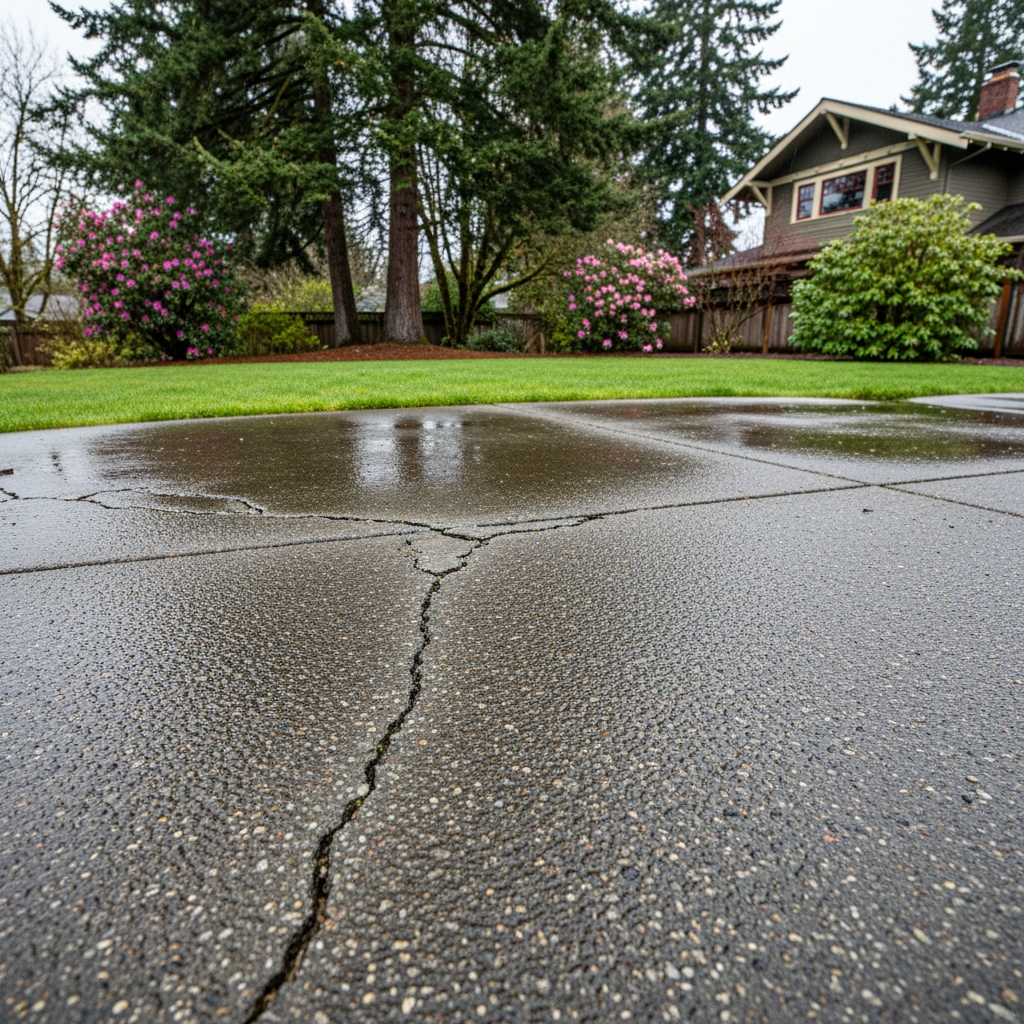
You walk outside to enjoy your morning coffee and notice a new crack snaking across your concrete patio. Is it just cosmetic, or does it signal a more serious problem that could worsen with Salem’s wet winters? Understanding when and how to repair concrete patio cracks can save you thousands in replacement costs while keeping your outdoor space safe and attractive.
Concrete patio crack repair in Salem, OR requires understanding the unique challenges of our climate. Between seasonal rainfall that saturates soil and freeze-thaw cycles that expand cracks, timing and technique matter significantly. Professional repair methods range from simple urethane caulk applications to advanced polyurethane foam lifting, each suited to different crack types and underlying causes.
Quick Answer: When and How to Fix Patio Cracks
Concrete patio crack repair in Salem involves three primary methods: flexible urethane caulk for surface cracks, epoxy injection for structural repairs, and polyurethane foam lifting for sunken sections. The approach depends on crack width, depth, and whether the underlying soil has settled.
Key takeaways for Salem homeowners:
- Cracks wider than ¼ inch require professional assessment to determine the cause
- Salem’s wet climate demands flexible repair materials that accommodate seasonal movement
- Repair costs typically run 50% less than complete patio replacement
- Addressing cracks promptly prevents water infiltration that worsens soil settlement
- Professional diagnosis identifies whether problems are cosmetic or structural
Why Concrete Patios Crack in Salem, OR
When our teams work throughout Salem neighborhoods like Grant and South Gateway, we consistently see concrete patio damage stemming from similar environmental factors. Understanding these causes helps homeowners recognize when repair is urgent versus routine maintenance.
Soil Settlement and Subsurface Issues
The primary culprit behind patio cracks is inadequate soil compaction during initial construction. When homes are built, the soil around foundations often isn’t compacted sufficiently. Over years, this loose fill gradually settles, creating voids beneath concrete slabs. Without proper support, concrete eventually cracks under its own weight or from regular use.
Salem’s clay-heavy soil compounds this problem. During dry summer months, clay shrinks as moisture evaporates, leaving gaps beneath patios. When winter rains arrive, water infiltrates these spaces, further softening the soil base or washing material away entirely. This cycle of expansion and contraction puts continuous stress on concrete structures.
Freeze-Thaw Damage in Oregon Winters
While Salem doesn’t experience the harsh winters of eastern states, we do face freeze-thaw cycles that damage concrete over time. Water seeps into small surface cracks or pores in the concrete. When temperatures drop below freezing, that water expands as ice, widening existing cracks. After multiple freeze-thaw seasons, minor hairline cracks become significant structural issues.
This process accelerates on patios that lack proper drainage. Standing water increases moisture penetration into concrete, making freeze-thaw damage more severe. Properties in zip codes 97301 and 97302 near the Willamette River often experience elevated moisture levels, making drainage management particularly important.
Installation Quality and Material Factors
Not all concrete patio problems stem from environmental causes. Improper installation creates vulnerabilities from day one. Common issues include insufficient concrete thickness, inadequate rebar reinforcement, poorly mixed concrete with improper water ratios, and lack of control joints to manage natural cracking.
Before starting any digging or repair work near utilities, we coordinate with Portland General Electric to mark underground lines—a critical safety step that prevents service disruptions and dangerous encounters with buried infrastructure.
Common Mistakes Homeowners Make with Patio Repairs
We frequently assess patios where previous DIY repairs failed within months, costing homeowners more in the long run. Understanding these pitfalls helps you avoid expensive mistakes.
Using Rigid Materials in Dynamic Environments
The most common error is filling cracks with rigid concrete patching compounds that can’t accommodate seasonal movement. Salem’s temperature and moisture fluctuations cause concrete to expand and contract throughout the year. Rigid patches crack again almost immediately because they can’t flex with this natural movement.
Flexible urethane-based products are specifically formulated for outdoor applications where movement occurs. These materials bond to crack edges while maintaining elasticity, allowing them to move with the concrete rather than fighting against it.
Ignoring the Underlying Cause
Filling a crack without addressing why it formed guarantees recurrence. If soil settlement created the crack, simply patching the surface does nothing to stabilize the subsurface. The concrete will continue sinking, creating new cracks adjacent to your repair.
Professional assessment identifies whether cracks result from surface weathering (cosmetic) or structural movement (requires foundation stabilization). This diagnosis determines whether a simple crack fill suffices or if you need comprehensive concrete patio services including lifting and leveling.
Delaying Repairs Until Damage Escalates
Small cracks allow water infiltration that accelerates deterioration. What starts as a minor surface crack becomes a major structural issue after a single wet Salem winter. Water penetrates the crack, erodes soil beneath, freezes and expands during cold snaps, and creates progressively larger voids.
Addressing cracks early—while they’re still narrow and shallow—saves significant money compared to waiting until sections sink or heave. Early intervention also prevents trip hazards that could result in injury liability.
Professional Repair Methods for Salem Patios
Professional concrete patio contractors in Salem, OR employ different techniques based on crack characteristics and underlying causes. The right method depends on crack width, whether the slab has shifted, and the specific environmental factors affecting your property.
Flexible Urethane Caulk Application
For most walkway and patio cracks, self-leveling urethane caulk provides an excellent balance of durability and cost-effectiveness. The process begins with grinding the crack open or grinding both edges to create a clean bonding surface. After thoroughly rinsing away dust and debris, contractors install a foam backer rod tightly into the crack.
This backer rod serves two critical functions: it prevents repair material from sinking deep into the crack (wasting product), and it creates the proper depth-to-width ratio. The urethane should be applied to a depth of approximately half the crack width—a one-inch-wide crack receives half-inch-deep material. This ratio allows optimal flexibility and adhesion.
Unlike rigid concrete patches that crack again with seasonal movement, urethane remains flexible throughout Salem’s temperature swings. It bonds strongly to concrete edges while stretching slightly as the crack naturally opens and closes with temperature and moisture changes.
Epoxy Injection for Structural Repairs
When cracks indicate structural concerns or appear in interior spaces not subject to freeze-thaw cycles, epoxy injection creates an extremely strong repair. The contractor grinds the crack open, cleans it meticulously, and injects specialized epoxy resin that penetrates deep into the crack.
Some applications mix sand or fine aggregate with the epoxy to match the concrete texture, while others broadcast aggregate on the wet surface. When fully cured, epoxy repairs typically exceed the strength of the surrounding concrete. If a structural load is applied, the concrete will fracture elsewhere before the epoxy joint fails.
However, epoxy’s rigidity makes it less suitable for outdoor applications exposed to Oregon’s weather extremes. It works best for interior slabs or situations where the underlying cause has been completely resolved and no further movement is expected. Epoxy repairs generally cost more than urethane alternatives due to material costs and application complexity.
Polyurethane Foam Lifting (PolyLevel®)
When patio sections have sunk due to soil settlement, modern polyurethane foam lifting offers significant advantages over traditional mudjacking. The process involves drilling small holes (typically ⅝-inch diameter) through the concrete at strategic locations, then injecting expanding polyurethane foam beneath the slab.
As the foam expands, it fills voids in the soil while simultaneously lifting the concrete with precision accuracy. Unlike mudjacking’s heavy slurry mixture, polyurethane foam is lightweight (won’t add load to already compromised soil), cures within minutes (allowing immediate use), and remains stable without further settling.
This method works exceptionally well in Salem’s conditions where soil erosion and settlement are common. The foam resists moisture absorption and won’t wash away like soil or deteriorate like some traditional materials. After lifting, contractors fill the injection holes and can apply crack repair techniques to any remaining fissures.
Step-by-Step Guide: Professional Assessment to Repair
Understanding the professional repair process helps you know what to expect and ensures you’re working with qualified contractors who follow industry best practices.
Initial Inspection and Diagnosis
Experienced contractors begin with comprehensive patio assessment. We measure crack width and length, noting patterns that indicate specific problems. Parallel cracks suggest uniform settlement, while radiating cracks from a corner might indicate concentrated stress or impact damage.
The inspection includes examining for rust stains that indicate corroding rebar, checking for ground movement by measuring elevation differences, looking for signs of chemical damage or surface deterioration, and assessing drainage patterns around the patio perimeter. This thorough evaluation determines whether damage is cosmetic (affecting only appearance) or structural (compromising function and safety).
Repair Planning and Material Selection
Based on the assessment, contractors develop a repair strategy matched to your specific situation. For Salem’s climate, this nearly always means specifying flexible materials that accommodate seasonal movement rather than rigid compounds that will re-crack.
The plan addresses not just visible cracks but underlying causes. If soil settlement created the damage, the repair might include foam lifting before crack filling. If drainage issues contributed, the plan incorporates water management solutions to prevent recurrence.
Execution and Quality Assurance
Professional execution follows proven protocols for each repair type. Surface preparation is critical—contractors thoroughly clean cracks, removing loose material, dirt, and debris that would prevent proper bonding. Many use specialized grinding tools to create clean, uniform crack edges.
Material application follows manufacturer specifications for temperature, moisture conditions, and curing time. In Salem’s often-damp climate, contractors monitor weather forecasts to schedule repairs during dry windows. Proper curing is essential—rushing this stage compromises repair longevity.
Quality contractors provide detailed documentation of the work performed, materials used, and recommended maintenance. This transparency helps you understand what was done and why, while establishing a baseline for monitoring future changes.
Cost Factors for Patio Crack Repair in Salem
Repair costs vary significantly based on damage extent, chosen methods, and site accessibility. Understanding these factors helps you budget appropriately and recognize fair pricing.
Crack repair with urethane caulk is typically the most affordable option, suitable for hairline to moderate cracks where the slab hasn’t shifted. This method works well for cosmetic repairs and preventing water infiltration.
Polyurethane foam lifting costs more than simple crack filling but far less than complete replacement. Industry estimates suggest lifting and leveling runs approximately 50% of replacement costs—a significant savings when your concrete is otherwise in good condition.
Epoxy injection falls in the middle price-wise but may not be appropriate for outdoor patios exposed to Salem’s weather extremes. The higher material costs and specialized application requirements increase pricing compared to urethane alternatives.
Additional cost factors include patio size and accessibility (larger areas or difficult-to-reach locations increase labor), number and severity of cracks requiring repair, and extent of subsurface stabilization needed. Reputable contractors provide detailed estimates breaking down materials and labor, allowing you to understand exactly what you’re paying for.
For comprehensive services throughout Salem, including zip code 97317 near Keizer Station, contractors should offer transparent pricing and clear explanations of recommended approaches.
Frequently Asked Questions About Patio Crack Repair
How do I know if a crack needs professional repair or is just cosmetic?
Cracks wider than ¼ inch, cracks that show vertical displacement (one side higher than the other), or cracks that continue growing warrant professional assessment. Multiple cracks forming patterns or cracks accompanied by sinking sections indicate underlying structural issues requiring expert attention.
Can I repair patio cracks myself or should I hire professionals?
Small hairline cracks might be suitable for DIY repair using consumer-grade flexible sealants. However, proper surface preparation is critical for lasting results. Wider cracks, sunken sections, or situations where the underlying cause is unclear should involve professional diagnosis to avoid wasting money on ineffective repairs.
How long do professional patio crack repairs typically last?
When properly executed and the underlying cause is addressed, professional repairs using quality materials should last many years. Urethane caulk repairs typically perform well for 5-10+ years in Salem’s climate. Polyurethane foam lifting is considered a long-term solution when soil conditions are properly stabilized.
What’s the best time of year to repair concrete patios in Salem?
Late spring through early fall provides optimal conditions, with dry weather allowing proper material curing. However, modern repair materials can be applied in cooler temperatures if moisture is controlled. Avoid repair during rainy periods or when freezing temperatures are forecast within the curing window.
Will repaired cracks be visible, or can they blend with existing concrete?
Most crack repairs remain somewhat visible, though contractors can often match colors reasonably well. Urethane caulk typically darkens slightly but blends better than rigid gray patching compounds. Epoxy repairs can incorporate sand or aggregate to approximate concrete texture. Complete invisibility is rarely achievable, but professional repairs are far less noticeable than deteriorating untreated cracks.
Protecting Your Investment After Repair
Professional repair restores your patio’s function and safety, but maintaining that investment requires ongoing attention to factors that caused the original damage.
Water management is paramount in Salem’s wet climate. Ensure gutters and downspouts channel water away from patio edges rather than allowing it to pool against concrete. Grade soil so water flows away from the patio rather than toward it. Consider installing French drains or other drainage solutions in areas prone to standing water.
Sealing concrete provides an additional protective layer, though it’s not always necessary. Quality concrete that was properly installed and cured may not require sealing for structural reasons, though it can enhance appearance and ease cleaning. If you choose to seal, reapply according to manufacturer recommendations—typically every 2-4 years depending on traffic and weather exposure.
Regular inspection allows you to catch new issues early. Walk your patio seasonally, noting any new cracks, areas of discoloration that might indicate water accumulation, or sections that seem to be settling. Addressing minor issues promptly prevents them from becoming major problems.
For property owners throughout Salem who want professional guidance on maintaining their concrete investments, contact us for assessment and recommendations tailored to your specific situation.
Making the Right Repair Decision
Concrete patio crack repair in Salem doesn’t have to mean expensive replacement. Understanding the causes behind your patio damage, recognizing which repair methods suit different situations, and working with experienced professionals who diagnose underlying issues ensures you invest wisely in solutions that last.
Salem’s unique climate challenges—wet winters, clay soils, freeze-thaw cycles—require repair approaches specifically suited to these conditions. Flexible materials that accommodate seasonal movement, proper subsurface stabilization when soil has settled, and comprehensive water management to prevent recurrence all contribute to successful long-term results.
Whether you’re dealing with minor cosmetic cracks or significant structural settlement, professional assessment provides the information needed to make informed decisions. The cost of early intervention through appropriate repair methods typically runs about half the expense of complete replacement while extending your patio’s functional life for many years.
Don’t let small cracks become major problems. Address damage promptly, choose repair methods matched to Salem’s environmental conditions, and maintain proper drainage to protect your investment for decades to come.
Sources and References
Information in this article is based on industry best practices for concrete repair, regional climate data, and professional contractor experience in the Salem, OR market. External sources consulted include Portland General Electric utility coordination guidelines and general concrete repair methodology from educational resources.