
Last Updated: December 24, 2025
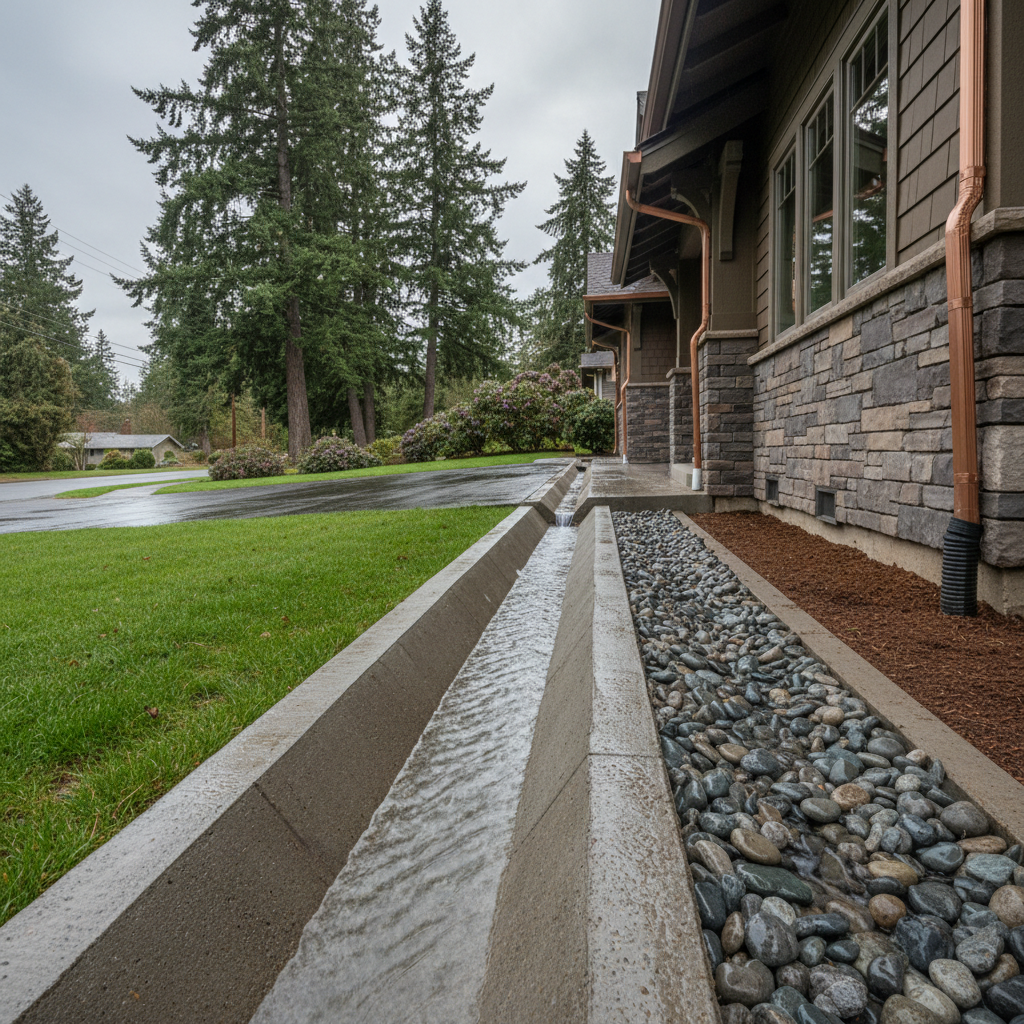
Water pooling around your foundation after a heavy Oregon rain? Driveway erosion carving channels through your property? These aren’t just nuisances—they’re warnings of potential structural damage that could cost thousands if ignored. Salem’s unique combination of seasonal rainfall, historic creek modifications, and soil conditions creates drainage challenges that demand professional concrete solutions tailored to local conditions.
From Mill Creek’s industrialized past to modern stormwater management standards, Salem, OR has relied on concrete-based infrastructure since the 1850s. Today’s property owners face a critical decision: implement effective drainage solutions concrete Salem OR contractors recommend, or risk foundation settling, landscape erosion, and water intrusion that compromise property values and safety.
Quick Answer: Why Concrete Drainage Matters in Salem
Concrete drainage systems—including channel drains, catch basins, and French drain enhancements—protect Salem properties from water damage by directing runoff away from foundations and hardscapes. Marion County’s stormwater standards require quality treatment systems that manage urban runoff while preventing erosion, making professional installation essential for compliance and long-term protection.
Key Takeaways:
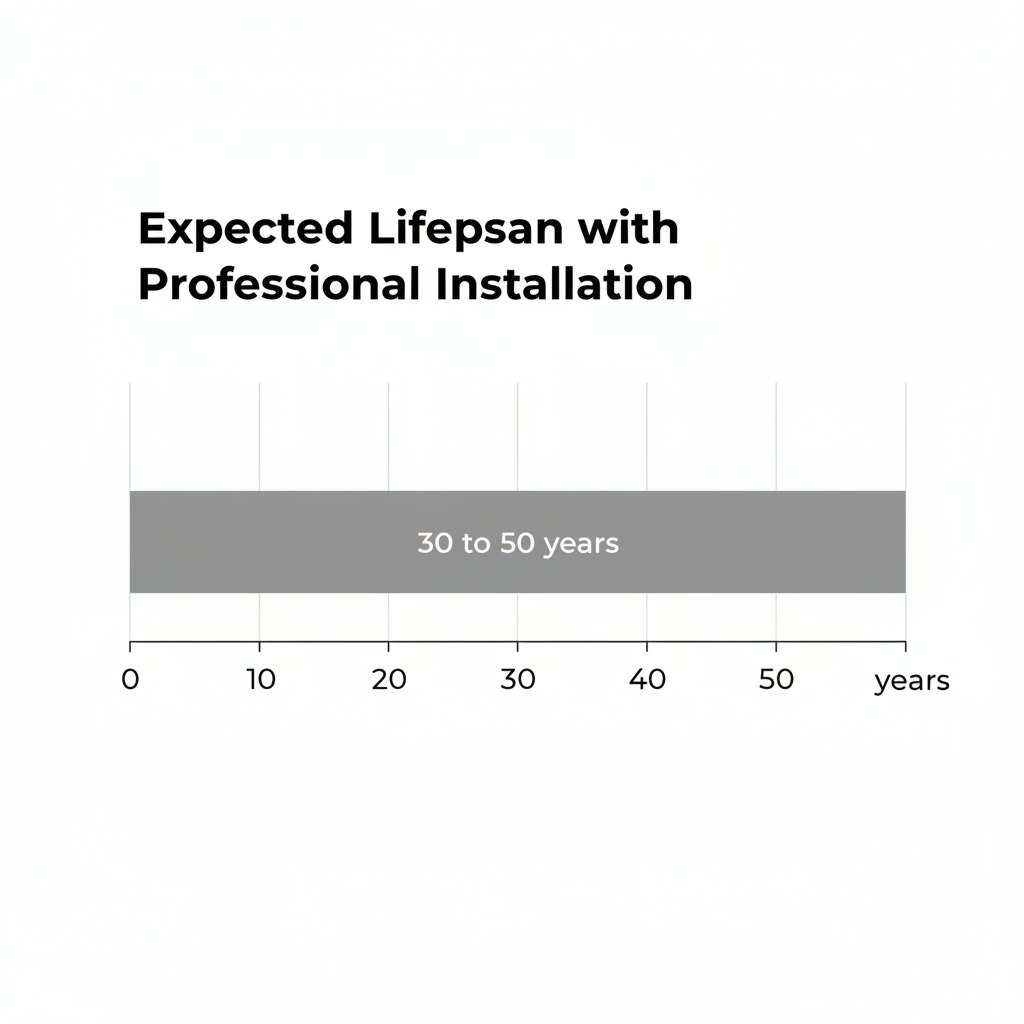
- Concrete drainage solutions last 30-50 years with proper installation
- Salem’s soil conditions and modified creek systems require specialized approaches
- Modern systems balance stormwater quality treatment with efficient conveyance
- Professional installation ensures compliance with Marion County regulations
- Integration with concrete driveway services prevents future erosion problems
Understanding Salem’s Unique Drainage Challenges
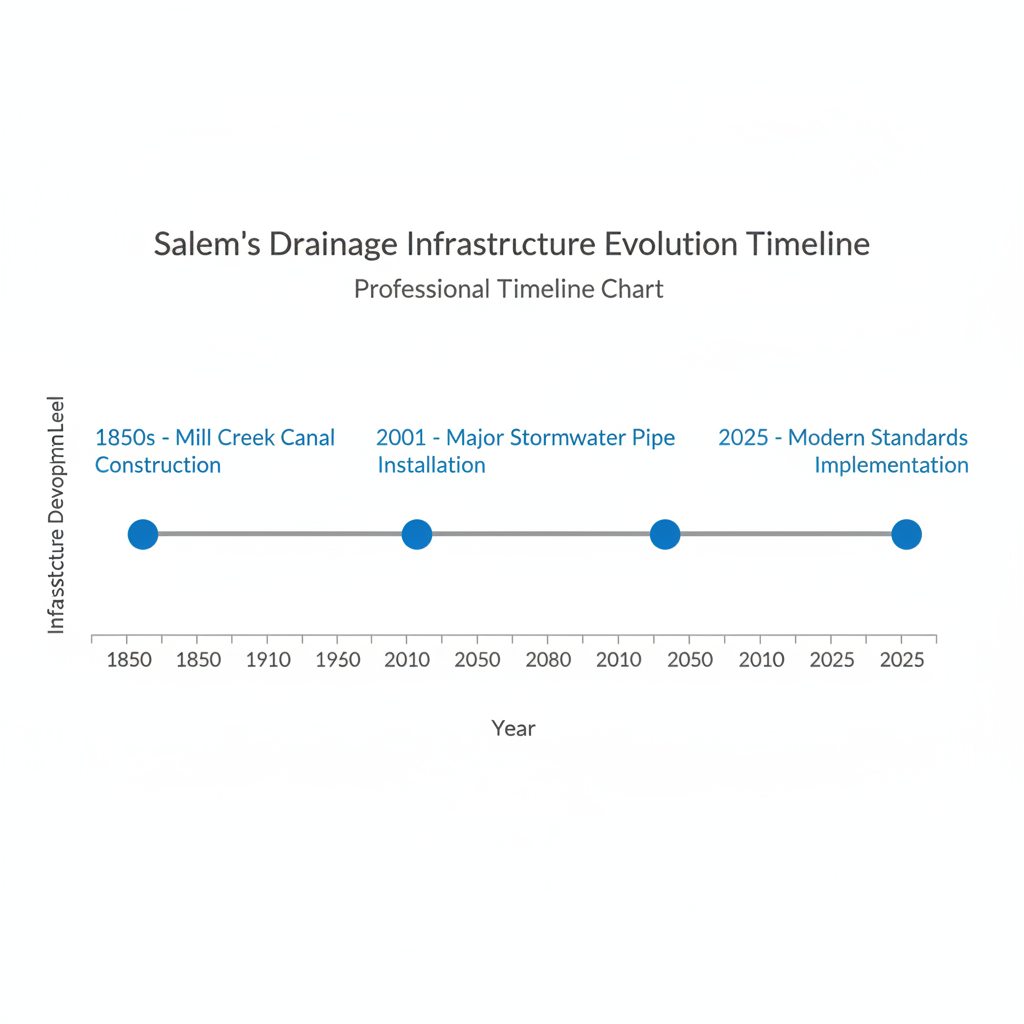
Salem’s drainage infrastructure reflects over 170 years of urban evolution. Since the 1850s when Chinese laborers constructed canals diverting the North Santiam River to Mill Creek, the city has relied on concrete-based conveyance systems. Historic modifications—creek channelization, millrace burial, and straightened waterways—created the foundation for modern challenges property owners face today.
Historic Infrastructure Impacts Current Properties
When we work with homeowners near South Salem High School or along Commercial Street, we frequently encounter legacy drainage issues stemming from buried creeks and modified waterways. Clark Creek, for instance, was ditched, piped, and encased in concrete sluice boxes between ball fields, with a 48-inch stormwater pipe added in 2001 running under Madrona and Commercial Streets before resurfacing at Clark Creek Park.
These historical alterations mean surface water doesn’t always follow intuitive paths. Properties in the 97302 and 97301 zip codes often experience unexpected pooling or erosion because underground flow patterns differ from visible topography. Before digging for any drainage project, our teams coordinate with Portland General Electric and other utilities to avoid conflicts with buried infrastructure.
Soil Conditions and Watershed Factors
Marion Soil and Water Conservation District maps identify gravelly loams and soil creep zones along the Willamette that directly influence drainage design. The area’s geology—30 feet of overburden before bedrock in some locations—creates variable percolation rates. Properties near Pringle Creek or Mill Creek watersheds face additional considerations, as these modified stream systems can experience flash flooding during heavy rain events.
Unlike coastal Oregon communities where drainage focuses primarily on volume, Salem’s freeze-thaw cycles demand concrete solutions that resist cracking and heaving. We always specify air-entrained concrete for drainage components to prevent deterioration from seasonal temperature fluctuations—a detail that extends system lifespan by decades.
Common Drainage Mistakes Salem Property Owners Make
Poor drainage solutions create cascading problems that multiply repair costs. Understanding what doesn’t work prevents expensive mistakes and ensures your investment delivers lasting protection.
Ignoring Marion County Stormwater Standards
Marion County adopted updated stormwater management standards superseding 2012 interim guidelines, with emphasis on quality treatment to mitigate urban runoff pollution. DIY drainage projects that simply redirect water without filtration or retention violate these requirements and can result in enforcement actions. Professional contractors understand that effective systems must balance conveyance with environmental protection.
Undersizing Drainage Components
Salem’s rainfall intensity during October through March storms requires adequate capacity. A 4-inch pipe that handles dry-season flows will overflow during peak events, undermining foundations and concrete patio services investments. Historical precedent proves this—the 1937 Stayton Island system used a 13-mile, 36-inch concrete pipe, upgraded to 54 inches by 1957 as the city grew. Proper sizing accounts for both current conditions and future development.
Neglecting Integration with Hardscape Features
Drainage systems installed as afterthoughts rarely perform effectively. When we design stamped concrete services or driveways, we incorporate drainage from the planning stage, ensuring proper grading, strategic drain placement, and coordinated slope that moves water efficiently without compromising aesthetics or functionality.
Effective Concrete Drainage Solutions for Salem Properties
Modern drainage solutions concrete Salem OR contractors implement combine historical lessons with contemporary engineering. The same concrete infrastructure that powered Salem’s 19th-century mills now protects 21st-century homes and businesses from water damage.
Channel Drains and Catch Basins
Concrete channel drains installed across driveways, patios, and walkways intercept surface water before it reaches foundations or pooling areas. These systems feature grated openings that capture runoff while allowing vehicle and foot traffic to pass unimpeded. Properly installed channel drains connect to underground piping that conveys water to appropriate discharge points—storm sewers, retention areas, or percolation zones.
Catch basins serve similar functions but handle larger volumes and often include sediment traps that prevent debris from clogging downstream pipes. For properties in the 97302 zip code near historic Mill Creek areas, catch basins provide essential protection against sudden flow increases during storm events.
Concrete-Enhanced French Drains
Traditional French drains use perforated pipe surrounded by gravel to collect subsurface water. Concrete enhancements—formed collection boxes, stabilized trenches, or concrete-encased pipes—increase longevity and capacity. These hybrid systems excel in Salem’s variable soil conditions, where simple gravel trenches can collapse or become waterlogged over time.
Integrated Hardscape Drainage
The most effective approach integrates drainage with all concrete work from the design phase. Strategic grading, permeable joints, and coordinated slope ensure water moves predictably without standing pools or erosion channels. When planning comprehensive services for your property, professional contractors model water flow using site-specific topography and rainfall data.
How to Implement a Drainage Solution for Your Salem Property
Successful drainage projects follow a systematic approach that addresses root causes rather than symptoms. Here’s the professional process that delivers lasting results.
Step 1: Comprehensive Site Assessment
Professional evaluation identifies water sources, flow patterns, soil permeability, and existing infrastructure. This assessment reveals whether problems stem from surface runoff, subsurface seepage, or both. Understanding local watershed context—whether your property lies within Mill Creek, Pringle Creek, or Glenn-Gibson watersheds—informs solution selection.
Step 2: Design Compliant with Marion County Standards
System design must satisfy stormwater quality treatment requirements while providing adequate capacity. This includes calculating runoff volumes based on impervious surface area, selecting appropriate treatment methods, and determining discharge points that don’t create downstream problems. According to EPA stormwater management guidelines, urban drainage systems should minimize pollutant loads and maintain natural hydrology where possible.
Step 3: Professional Installation with Quality Materials
Proper installation determines long-term performance. This includes excavation to appropriate depths, compacted base preparation, precise grading, and concrete work that meets or exceeds structural requirements. Air-entrained concrete resists freeze-thaw damage, while proper curing prevents premature cracking. Free-draining backfills maintain moisture below 25% saturation, preventing structural issues in drainage-adjacent areas.
Step 4: Testing and Maintenance Planning
Before project completion, systems should be flow-tested during actual rain events or simulated conditions. Establish a maintenance schedule that includes seasonal inspections, debris removal from grates and catch basins, and periodic flushing of underground piping. Well-maintained concrete drainage systems serve properties for 30-50 years with minimal intervention.
Cost Factors for Salem Drainage Projects
Drainage solution costs vary based on project scope, site conditions, and material selections. Understanding these factors helps property owners budget appropriately and avoid surprise expenses.
| System Type | Typical Cost Range | Lifespan |
|---|---|---|
| Channel Drain (per linear foot) | $45-$85 | 30-40 years |
| Concrete Catch Basin | $800-$1,500 | 40-50 years |
| French Drain with Concrete | $35-$65/ft | 25-35 years |
| Integrated Hardscape System | $3,500-$8,000+ | 30-50 years |
Properties in the 97301 zip code with complex topography or proximity to historic creek systems may require additional engineering, increasing project costs by 15-25%. However, proper investment in drainage protection prevents far more expensive foundation repairs, which can exceed $15,000 for significant damage.
Frequently Asked Questions
How long do concrete drainage systems last in Salem’s climate?
Properly installed concrete drainage systems using air-entrained concrete and appropriate backfill typically last 30-50 years in Salem’s climate. Regular maintenance—cleaning grates and catch basins twice yearly—extends lifespan and maintains performance.
Do I need permits for drainage work in Salem, OR?
Most drainage projects that alter stormwater flow or connect to city systems require permits from the City of Salem Building and Safety Division. Working with licensed contractors familiar with local regulations ensures compliance and avoids costly violations.
Can drainage systems be added to existing concrete driveways?
Yes. Channel drains can be cut into existing concrete using specialized equipment, though this requires careful planning to maintain structural integrity and avoid damage to underlying utilities. Integration during initial installation costs less than retrofitting.
What maintenance do concrete drainage systems require?
Seasonal inspection and cleaning of grates, catch basins, and visible components prevents debris accumulation. Every 5-7 years, underground piping should be professionally inspected and flushed to remove sediment buildup that reduces capacity.
How do I choose between surface and subsurface drainage?
Surface systems (channel drains, catch basins) handle runoff from impervious surfaces, while subsurface systems (French drains) address groundwater and seepage. Most Salem properties benefit from integrated approaches that combine both methods based on specific water sources and flow patterns.
Conclusion: Protecting Your Salem Investment
Effective drainage solutions concrete Salem OR contractors implement protect properties from Oregon’s seasonal rainfall while complying with modern stormwater quality standards. From Salem’s historic concrete-based infrastructure—including the 13-mile transmission line that built the city’s water system—to today’s integrated hardscape drainage, concrete remains the most durable and reliable material for managing water on residential and commercial properties.
Whether addressing foundation threats, preventing driveway erosion, or creating compliant stormwater systems, professional drainage installation delivers decades of protection. Working with experienced contractors who understand Marion County regulations, local soil conditions, and Salem’s unique watershed challenges ensures your investment performs as intended. Local providers including Salem Concrete offer comprehensive assessments and solutions tailored to your property’s specific needs.
Don’t wait until water damage forces emergency repairs. Proactive drainage solutions save money, preserve property values, and provide peace of mind through every Oregon rain season.
Sources and References
- U.S. Environmental Protection Agency – Stormwater Management Guidelines
- Marion County Stormwater Standards (2025)
- Pringle Creek Watershed Council Historical Documentation
- Salem Water System Historical Records (1936-1957)
- Marion Soil and Water Conservation District Maps
Financial Disclaimer: Cost estimates provided are approximate ranges based on typical Salem, OR market conditions as of December 2025. Actual project costs vary based on site-specific factors, material selections, and scope. Consult licensed contractors for accurate quotes.