
Last Updated: December 24, 2025
Are you planning a concrete project in Oregon’s capital city but unsure where to start? Whether you’re looking to upgrade your home’s curb appeal with a stamped concrete patio or need structural foundations for commercial construction, finding the right concrete contractor can make the difference between a decades-long investment and a costly mistake. Salem’s unique climate and soil conditions demand local expertise that goes beyond basic cement mixing—requiring knowledge of freeze-thaw cycles, expansive clay soils, and strict stormwater regulations near the Willamette River.
The concrete industry in Salem has evolved significantly from its millrace-era roots, when Portland cement first replaced timber and stone for industrial foundations. Today’s Salem OR concrete services encompass everything from decorative residential work to high-performance commercial slabs, all shaped by over a century of regional building practice and modern sustainability standards. As of December 2025, local contractors face increasing demand for both aesthetic concrete solutions and environmentally responsible mixes that reduce carbon footprint while meeting Oregon’s progressive building codes.
Quick Answer: What You Need to Know
Professional concrete services in Salem, OR include residential foundations, driveways, patios, commercial slabs, municipal infrastructure, and decorative finishes. Local contractors must address Willamette Valley soil conditions, regional freeze-thaw cycles, and city stormwater regulations. Expect comprehensive services from excavation through finishing, with expertise in both structural and aesthetic applications tailored to Oregon’s climate.
Key Takeaways:
- Salem contractors specialize in climate-adapted mixes for Oregon’s wet winters and temperature fluctuations
- Services range from simple flatwork to complex structural and decorative installations
- Local expertise with expansive clay soils and high water tables is essential
- Sustainable concrete options using supplementary cementitious materials are increasingly available
- Municipal work requires coordination with city codes and stormwater management requirements
Understanding Concrete Services Available in Salem
The scope of concrete services in Salem, OR reflects the city’s diverse construction landscape—from historic downtown renovation to expanding residential subdivisions and state government facilities. Modern contractors provide far more than basic cement work, offering specialized solutions that address both functional requirements and aesthetic preferences.
Residential Concrete Applications
Homeowners throughout zip codes 97301, 97302, and 97305 rely on local contractors for foundation work, driveway installations, and outdoor living spaces. Salem’s residential concrete work has evolved considerably since the post-WWII housing boom, when companies like Pumilite Block and Supply (founded in 1947) supplied basic masonry materials for simple foundations and garage slabs.
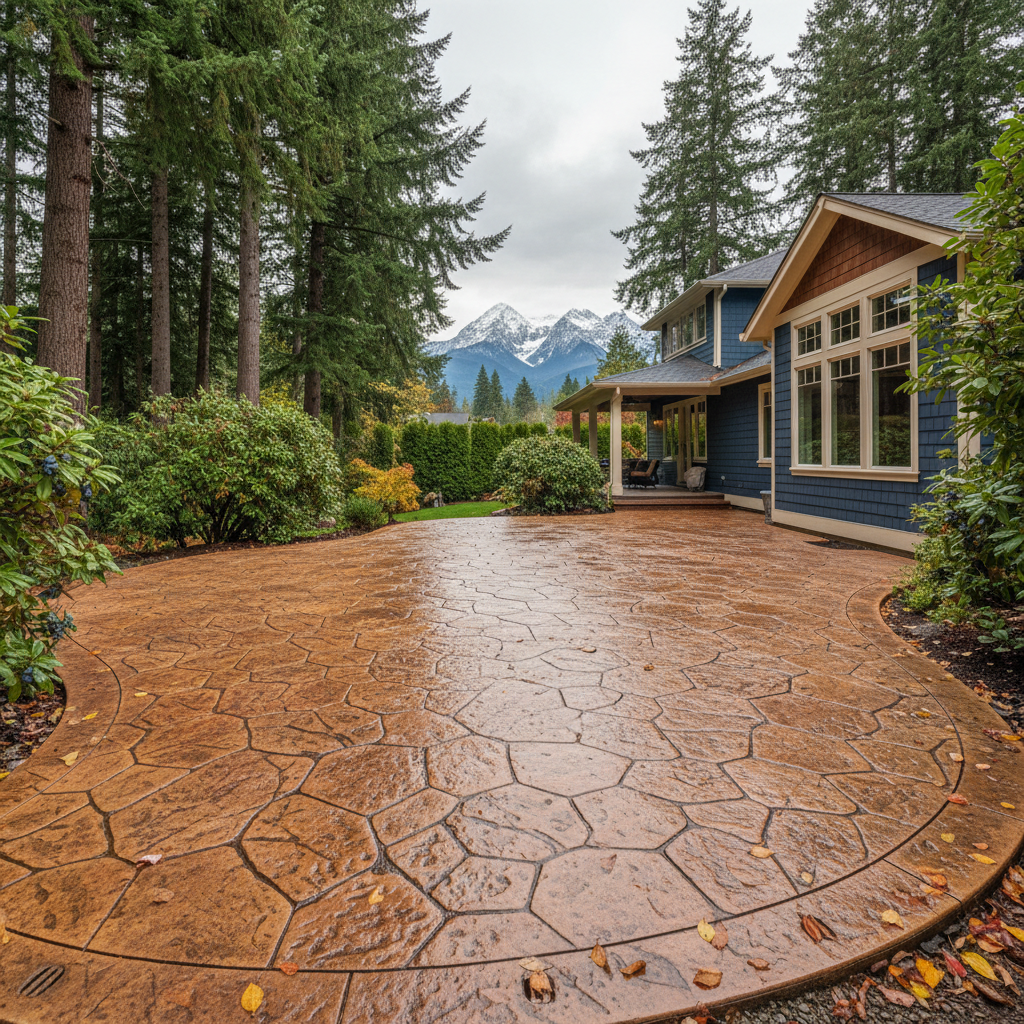
Today’s residential services include poured foundations with proper reinforcement for seismic resistance, decorative concrete patios with stamped finishes that mimic natural stone, and pervious concrete driveways that comply with local stormwater management ordinances. When our teams work in established neighborhoods near Bush’s Pasture Park or along South Commercial Street, we often encounter older foundations requiring seismic retrofits—a growing concern in Oregon following updated building codes focused on earthquake preparedness.
Commercial and Industrial Solutions
Salem’s position as Oregon’s capital and a regional commercial hub drives steady demand for warehouse slabs, tilt-up wall panels, and heavy-duty industrial flooring. Distribution centers near the I-5 corridor require high-load concrete slabs with specialized jointing, dowels, and surface hardeners to withstand forklift traffic and rack loads. According to American Concrete Institute standards, these commercial applications typically specify compressive strengths of 4,000-5,000 psi or higher, with air entrainment for freeze-thaw durability.
State office buildings and institutional facilities present unique challenges, often requiring architects and engineers to specify sustainable concrete mixes using fly ash or slag cement to reduce embodied carbon—a priority for Oregon’s progressive environmental policies. We coordinate closely with local utilities like Portland General Electric when planning excavation and foundation work to avoid conflicts with underground infrastructure.
Municipal Infrastructure and Public Works
City street improvements, sidewalk programs, and ADA-compliant curb ramps constitute a significant portion of Salem’s concrete work. The City of Salem’s Public Works Department regularly upgrades aging infrastructure, replacing cracked sidewalks and installing bus stop pads that meet both state accessibility standards and local stormwater requirements. These projects often involve coordination with Oregon Department of Transportation (ODOT) specifications, particularly for work along state highways that pass through Salem.
Common Mistakes When Hiring Concrete Contractors
Many property owners in the Salem area make costly errors during contractor selection and project planning. Understanding these pitfalls helps ensure successful outcomes and avoids expensive repairs down the road.
Ignoring Local Soil and Climate Conditions
The Willamette Valley’s expansive clay soils and seasonal high water tables create unique challenges that generic contractors may overlook. Unlike drier regions where simple compacted base suffices, Salem sites often require over-excavation and replacement with properly graded aggregate, plus attention to drainage to prevent heaving and settlement. In our experience working throughout Marion County, we’ve seen numerous failed driveways and patios where contractors skipped proper base preparation—resulting in cracking within the first year.
Due to Oregon’s freeze-thaw cycles, we always specify air-entrained concrete with proper air content (typically 5-7% for exposed flatwork) to prevent surface scaling and spalling from winter moisture and temperature swings—something out-of-area contractors frequently miss.
Choosing Price Over Expertise
The lowest bid often signals cut corners on materials, reinforcement, or proper curing procedures. Quality concrete work requires skilled finishers, proper equipment, and adherence to mix specifications and placement protocols. A poorly finished driveway or improperly cured slab can fail prematurely, costing far more to replace than the initial savings from bargain pricing.
Neglecting Permits and Code Compliance
Salem building codes require permits for many concrete projects, including structural foundations, significant site work, and some larger flatwork installations. Working with unlicensed contractors or skipping permit requirements creates liability issues and can complicate property sales. Legitimate concrete contractors handle permitting as part of their service and maintain proper Oregon Construction Contractors Board licensure.
Best Approach to Planning Your Concrete Project
Successful concrete projects in Salem begin with thorough planning that accounts for site conditions, intended use, aesthetic preferences, and budget constraints. Following a systematic approach ensures you get the performance and appearance you expect.
Define Your Project Scope and Goals
Start by clarifying exactly what you need: Is this a basic broom-finish driveway, or do you want decorative stamped concrete with integral color? Will the surface see heavy vehicle loads, or is it primarily pedestrian traffic? Different applications require different mix designs, reinforcement strategies, and finishing techniques. For example, a residential patio near Riverfront Park might prioritize aesthetics and texture, while a commercial loading dock demands structural capacity and abrasion resistance.
Verify Contractor Credentials and Experience
Check that any contractor you consider holds current Oregon CCB licensing, liability insurance, and workers’ compensation coverage. Ask for references from recent projects similar to yours, and verify their experience with local conditions. Established Salem contractors like Salem Concrete understand regional soil challenges, climate considerations, and city inspection requirements—knowledge that translates to better outcomes.
Request detailed written proposals that specify mix design (including compressive strength, air entrainment, and any admixtures), reinforcement details, base preparation procedures, and finishing techniques. Vague proposals that simply promise “standard concrete work” often lead to disputes over expectations and quality.
Consider Long-Term Performance and Maintenance
Quality concrete properly installed should last decades with minimal maintenance. Factor in the total cost of ownership, not just initial installation price. Sealed decorative concrete requires periodic resealing to maintain appearance and protect against moisture intrusion, while plain broom-finish flatwork needs little beyond occasional cleaning and crack repair.
How to Work with Salem Concrete Contractors
The process of engaging professional concrete services follows a predictable sequence, though timelines vary based on project complexity, weather, and permitting requirements.
Step 1: Initial Consultation and Site Assessment
Reputable contractors begin with an on-site evaluation to assess soil conditions, drainage, access for equipment, and any existing structures or utilities. During this phase, discuss your goals, timeline, and budget. The contractor should ask detailed questions about intended use, traffic expectations, and aesthetic preferences. They’ll also identify potential challenges—such as poor drainage, expansive soils, or difficult access—that may affect scope and cost.
Step 2: Detailed Proposal and Contract
After the site visit, expect a written proposal outlining scope of work, materials specifications, timeline, payment terms, and warranty information. Review this carefully and ask questions about anything unclear. The contract should specify mix design details, reinforcement (wire mesh, rebar, or fiber reinforcement), base preparation, finishing techniques, and curing procedures. It should also address how change orders will be handled and who bears responsibility for permits and inspections.
Step 3: Site Preparation and Execution
Quality concrete work begins with proper excavation, base preparation, and formwork. In Salem’s clay-heavy soils, this often means removing unsuitable material and installing a compacted aggregate base with proper drainage provisions. Before any concrete arrives, reinforcement should be placed and utilities marked—we always coordinate with Portland General Electric and other providers to locate underground lines.
Concrete placement requires attention to weather conditions; Salem’s heavy winter rains often mean scheduling around dry windows or using admixtures and protective measures for cold-weather placement. Finishing techniques vary from simple broom textures for traction to complex stamped patterns and integral color for decorative work. Proper curing—keeping concrete moist and at appropriate temperature during initial strength gain—is critical for long-term durability.
Frequently Asked Questions
What is the typical timeline for a residential concrete project in Salem?
Simple flatwork like a driveway or patio can often be completed in 2-4 days from excavation to finishing, plus curing time before use (typically 7 days for foot traffic, 28 days for full cure). More complex projects involving foundations, decorative work, or challenging site conditions may take 1-2 weeks. Weather significantly impacts scheduling—expect delays during Salem’s rainy season from November through March.
Do I need a permit for concrete work in Salem, OR?
The City of Salem requires building permits for structural concrete (foundations, retaining walls over certain heights), while some flatwork may not require permits depending on scope and location. Your contractor should advise on permit requirements for your specific project. Working without required permits can result in fines and complications when selling your property.
How do Salem’s soil conditions affect concrete installation?
The Willamette Valley’s expansive clay soils and seasonal moisture variations create challenging conditions for concrete. Proper base preparation—often including over-excavation and replacement with granular material—is essential to prevent settlement and heaving. Drainage design also matters significantly, as poor drainage can undermine concrete slabs and lead to cracking. Experienced local contractors understand these conditions and adjust their methods accordingly.
What’s the difference between stamped and regular concrete?
Stamped concrete uses specialized patterns pressed into the surface before it fully hardens, creating textures that mimic stone, brick, or other materials. It can be colored with integral pigments or surface stains for enhanced aesthetic appeal. Regular concrete receives basic finishing (broom, trowel, or exposed aggregate) without decorative patterns. Stamped work costs more initially but offers significantly greater visual appeal for patios, walkways, and other visible areas.
Can concrete be installed year-round in Salem?
While concrete can technically be placed in any season, Salem’s wet, cool winters present challenges. Cold temperatures slow curing and increase risk of freeze damage to fresh concrete, while heavy rain can damage surfaces and interfere with finishing. Most contractors prefer working during the drier months from May through October. Winter projects often require special precautions like accelerating admixtures, heated enclosures, or protective coverings—adding cost and complexity.
Conclusion
Professional concrete services in Salem, OR encompass far more than simple cement work—they require deep understanding of local soil conditions, climate challenges, building codes, and diverse application requirements. From residential driveways and decorative patios to commercial structural work and municipal infrastructure, quality concrete installation demands both technical expertise and regional knowledge accumulated through years of local experience.
As you plan your concrete project, prioritize contractors who demonstrate familiarity with Willamette Valley conditions, maintain proper licensing and insurance, and provide detailed proposals addressing your specific needs. Whether you’re upgrading your home’s outdoor spaces or constructing commercial facilities, investing in quality concrete work pays dividends through decades of reliable performance. Visit Salem Concrete to explore your options and connect with experienced local professionals who understand what it takes to deliver lasting results in Oregon’s capital city.
Sources and References
- American Concrete Institute (ACI) – Standards and specifications for concrete construction practices
- Portland Cement Association – Historical development and technical guidelines for cement-based materials
- Oregon Construction Contractors Board – Licensing requirements and contractor verification
- City of Salem Public Works Department – Municipal code requirements and permitting information