
Last Updated: December 24, 2025
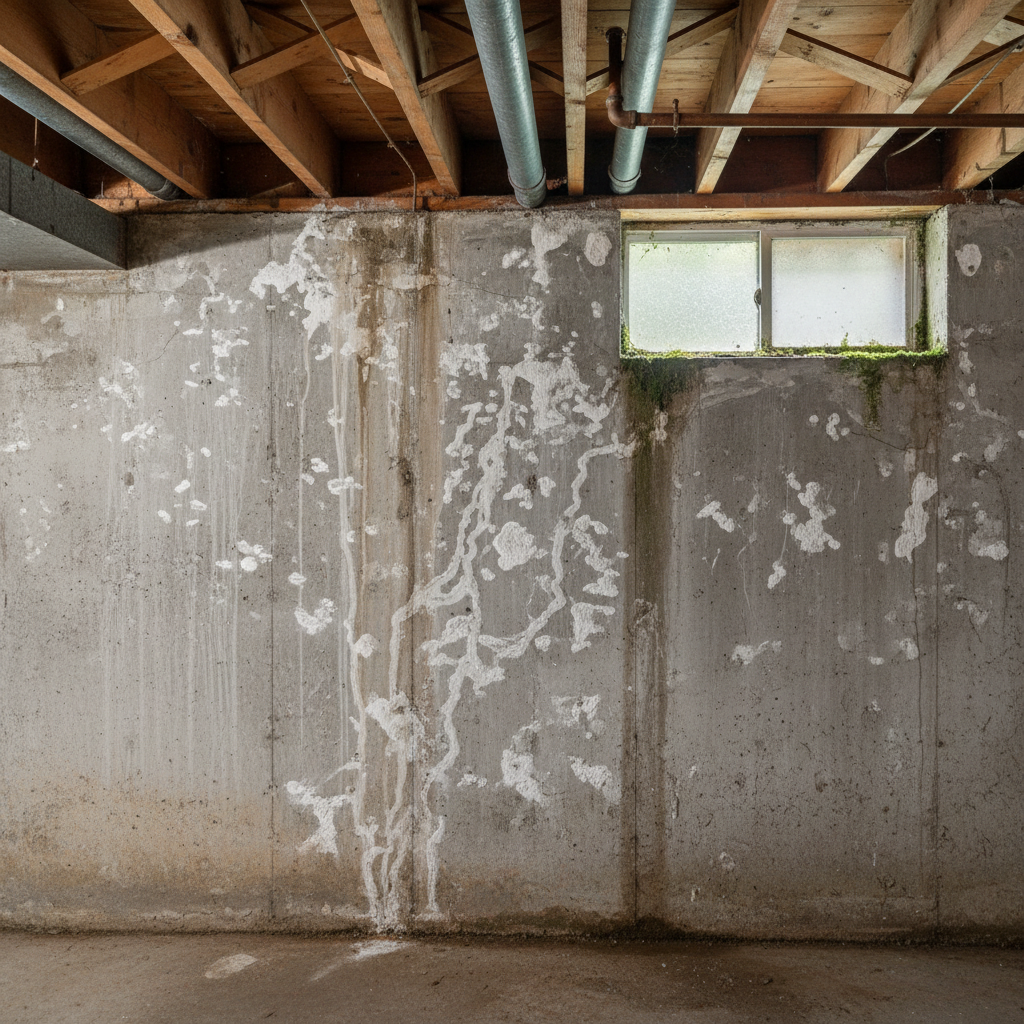
Is water seeping through your basement walls during Salem’s rainy season? With the Willamette Valley’s notorious wet climate and high groundwater levels, basement moisture isn’t just an inconvenience—it’s a serious threat to your home’s structural integrity and indoor air quality. Every year, hundreds of Salem homeowners discover the hard way that Oregon’s persistent rainfall and clay-heavy soil create the perfect conditions for basement water intrusion.
When it comes to waterproofing concrete basement Salem properties, the stakes are higher than in drier climates. The combination of seasonal downpours, hydrostatic pressure from saturated soil, and aging concrete foundations creates a trifecta of challenges. Whether you’re dealing with dampness, standing water, or visible cracks, understanding your options and acting quickly can save you thousands in mold remediation and structural repairs down the road.
Quick Answer: What You Need to Know
Waterproofing concrete basements in Salem, OR requires addressing both exterior drainage and interior moisture control due to the region’s high annual rainfall and clay soil composition. Professional solutions include perimeter drainage systems, chemical sealants, sump pump installation, and crawl space encapsulation—with costs varying based on severity and basement size.
Key Takeaways:
- Salem’s Willamette Valley location creates unique waterproofing challenges with persistent groundwater issues
- Modern solutions combine historical drainage techniques with advanced chemical sealants
- Professional assessment is essential—DIY approaches often fail in Salem’s wet climate
- Proper waterproofing protects against mold, radon, and structural damage
- Local contractors understand regional soil conditions and building codes specific to Marion County
Understanding Salem’s Unique Basement Waterproofing Challenges
Salem’s location in the heart of Oregon’s Willamette Valley creates a perfect storm for basement moisture problems. The region receives substantial annual rainfall, particularly from October through May, saturating the clay-heavy soil that’s prevalent throughout Marion County. This soil composition doesn’t drain efficiently, meaning water accumulates around foundation walls and creates persistent hydrostatic pressure against concrete basements.
When we work with homeowners in neighborhoods like West Salem or South Gateway, we consistently see issues that stem from this environmental reality. The groundwater table rises significantly during wet months, and without proper drainage systems, this water seeks the path of least resistance—often right through basement walls and floor joints.
How Local Climate Affects Concrete Foundations
Oregon’s freeze-thaw cycles, while milder than other regions, still stress concrete over time. Microscopic cracks develop as water enters the concrete, expands when temperatures drop, and gradually widens these openings. In Salem’s 97301, 97302, and 97305 zip codes, we’ve observed that older homes built before modern waterproofing standards are particularly vulnerable.
The city’s architecture includes many historic structures with masonry or poured concrete foundations that require specialized approaches. Unlike newer construction with built-in vapor barriers and perimeter drains, these older basements were often constructed with minimal water protection, relying on thick walls alone.
Why DIY Solutions Often Fail
Many Salem homeowners attempt surface-level fixes like interior paint-on sealants or basic dehumidifiers. While these might address minor dampness, they’re inadequate for addressing the root cause: water pressure from saturated soil. True waterproofing requires understanding where water enters, how it moves through soil, and which intervention points will be most effective for your specific property.
Professional contractors from Salem Concrete and other qualified providers conduct thorough inspections that identify water sources, assess drainage patterns, and evaluate structural concerns before recommending solutions.
Common Mistakes That Lead to Waterproofing Failure
Understanding what doesn’t work is just as important as knowing effective solutions. Many property owners waste money on ineffective approaches that merely postpone inevitable water intrusion problems.
Addressing Symptoms Instead of Causes
The most common error is treating visible moisture without addressing its source. Applying interior sealants when the real problem is exterior drainage simply traps water within the concrete itself, potentially accelerating deterioration. In our experience working with Salem residents, we often encounter basements where previous owners applied multiple layers of waterproof paint, only to have water eventually find new pathways through floor-wall joints or utility penetrations.
Ignoring Gutters and Grading Issues
Before investing in waterproofing concrete basement Salem properties, examine your surface drainage. Clogged gutters, downspouts that discharge near the foundation, and negative grading that slopes toward your home funnel thousands of gallons directly against basement walls. These simple issues cause a surprising percentage of basement water problems throughout the greater Salem area.
Delaying Professional Assessment
Water damage compounds quickly in basements. What starts as slight dampness can progress to mold growth within 24-48 hours under the right conditions. Many homeowners wait until they have standing water before calling professionals, by which point the necessary repairs become significantly more extensive and expensive. Early intervention through proper waterproofing services saves both money and structural integrity.
Best Approaches for Salem Basement Waterproofing
Effective waterproofing strategies for Salem’s climate combine multiple approaches tailored to your specific situation. There’s no one-size-fits-all solution—the right approach depends on water source, foundation type, soil conditions, and the severity of intrusion.
Exterior Perimeter Drainage Systems
The gold standard for basement waterproofing involves exterior excavation and installation of perimeter drains—essentially a modern interpretation of the French drain system that’s been protecting basements since the 1800s. This approach addresses water before it reaches foundation walls by capturing it in gravel-filled trenches with perforated pipe that redirects water away from the structure.
In Salem’s clay soil conditions, we typically install these drains at footer level, combining them with waterproof membrane application directly on foundation exteriors. This dual approach handles both groundwater and surface water effectively. While excavation is labor-intensive, it remains the most reliable long-term solution for homes experiencing persistent moisture issues.
Interior Drainage and Sump Pump Systems
When exterior excavation isn’t feasible—common with historic downtown Salem properties or homes with limited access—interior drainage provides an effective alternative. This involves creating a channel along the interior perimeter of the basement floor, installing perforated pipe, and directing water to a sump basin where a pump expels it away from the foundation.
Modern sump pumps include battery backup systems crucial for Salem’s winter storms when power outages coincide with heavy rainfall. The system manages hydrostatic pressure by providing water an easy exit path, preventing it from forcing through cracks or joints. Before installation, coordinate with Portland General Electric to ensure proper electrical setup that meets code requirements.
Chemical Sealants and Crystalline Technology
Advanced chemical waterproofing products have evolved significantly beyond simple surface coatings. Crystalline waterproofing systems penetrate concrete pores and react with moisture to form insoluble crystals that block water pathways while allowing concrete to breathe. These products work particularly well on Salem basements experiencing minor seepage rather than active leaks.
Application requires proper surface preparation—concrete must be clean, and active cracks should be repaired first. When combined with proper drainage, these sealants provide an additional barrier against moisture intrusion. However, they’re best viewed as part of a comprehensive system rather than a standalone solution for serious water problems.
Step-by-Step Guide to Getting Your Basement Waterproofed
Successfully waterproofing your Salem basement requires methodical planning and execution. Here’s the process professional contractors follow to ensure lasting results.
Step 1: Professional Inspection and Assessment
Schedule inspections with qualified contractors who understand local conditions. They’ll examine your foundation for cracks, assess drainage patterns, test for moisture intrusion, and identify whether issues stem from surface water, groundwater, or both. Most reputable Salem-area contractors offer free initial assessments. During this evaluation, expect professionals to check gutters, grading, interior humidity levels, and existing drainage systems.
Step 2: Obtain Multiple Quotes and Compare Approaches
Get at least three detailed quotes that specify materials, methods, timeline, and warranties. Quality contractors will explain why they recommend specific approaches for your situation. Compare not just pricing but also proposed solutions—a significantly lower bid often indicates shortcuts that compromise effectiveness. Verify contractors are licensed, bonded, and carry liability insurance as required by Oregon state regulations.
Step 3: Address Surface Water Issues First
Before major waterproofing work begins, fix gutters, extend downspouts at least 6-10 feet from the foundation, and correct grading problems. These improvements reduce water volume that drainage systems must handle and sometimes resolve minor moisture issues without more extensive intervention. This preparatory work typically takes 1-3 days and provides immediate benefits.
Step 4: Execute Primary Waterproofing Solution
Whether installing exterior drainage, interior systems, or combination approaches, professional waterproofing requires precision. Exterior work involves excavating around the foundation perimeter, applying waterproof membrane, installing drainage pipe in gravel beds, and backfilling with appropriate materials. Interior systems require breaking concrete along perimeter walls, installing drainage channels and sump basins, and re-concreting disturbed areas. Expect 3-7 days for most residential projects, weather permitting.
Step 5: Apply Interior Treatments and Finishing
Once primary drainage is established, apply appropriate interior sealants to walls and floors. Install vapor barriers in crawl spaces if applicable. Consider dehumidification systems to maintain optimal humidity levels year-round. These finishing touches complete the waterproofing system and provide additional protection against moisture-related issues like mold growth.
Step 6: Implement Ongoing Maintenance
Waterproofing isn’t install-and-forget. Maintain gutters seasonally, test sump pumps quarterly, monitor basement humidity, and inspect for new cracks annually. Most contractors offer maintenance plans that include periodic inspections. Proactive maintenance extends system lifespan and catches minor issues before they become expensive problems.
What Sets Salem Waterproofing Apart From Other Regions
Contractors experienced in Salem waterproofing understand regional nuances that generic national companies might miss. The Willamette Valley’s clay soil doesn’t drain like the sandy soils common in coastal areas, requiring drainage systems with greater capacity and more aggressive slope away from foundations.
Here’s a contrarian insight that surprises many homeowners: due to Oregon’s mild winters compared to the Midwest, we actually see more hydrostatic pressure issues year-round rather than concentrated freeze-thaw damage. The ground stays saturated for extended periods rather than freezing solid, meaning water constantly seeks entry points. This requires drainage systems that handle persistent low-level pressure rather than seasonal flooding—a different engineering challenge that demands specific design approaches.
Local contractors familiar with Marion County building codes can also navigate permit requirements efficiently. Significant excavation or electrical work for sump pump systems requires permits, and experienced professionals handle this paperwork seamlessly. When considering contractors, ask about their familiarity with local building requirements and request examples of recent Salem-area projects.
Frequently Asked Questions About Basement Waterproofing
How long does basement waterproofing last?
Quality waterproofing systems typically last 10-25 years depending on installation quality, materials used, and maintenance. Exterior membrane applications can last the life of the structure when properly installed, while sump pumps require replacement every 7-10 years. Interior drainage systems are highly durable but benefit from periodic inspection to ensure pipes remain clear.
Can I waterproof my basement myself?
Minor surface treatments are DIY-friendly, but comprehensive waterproofing requires professional expertise, especially in Salem’s challenging conditions. Drainage system installation involves excavation, proper grading, and understanding water flow dynamics. Sump pump installation requires electrical work that must meet code. Attempting complex waterproofing without proper knowledge often creates more problems than it solves.
What’s the difference between waterproofing and dampproofing?
Dampproofing resists moisture vapor but doesn’t prevent water under hydrostatic pressure. Waterproofing creates an impermeable barrier that stops water even under pressure. For Salem basements experiencing active water intrusion, waterproofing is essential. Dampproofing suffices only for minor humidity control in above-grade walls or minimal moisture conditions.
Will waterproofing increase my home’s value?
Absolutely. Dry basements with documented waterproofing systems are significant selling points, particularly in Salem’s wet climate where buyers understand moisture risks. Professional waterproofing also prevents structural damage that could dramatically reduce property value. Most real estate professionals recommend disclosing waterproofing systems as value-adds during home sales.
When is the best time of year to waterproof a basement in Salem?
Late spring through early fall offers the driest conditions for exterior excavation work. However, interior drainage systems can be installed year-round. Don’t delay necessary waterproofing just because it’s rainy season—ongoing water damage costs more than working in less-than-ideal weather. Contractors adapt methods to seasonal conditions and often have greater availability during winter months.
Protecting Your Salem Home’s Foundation
Basement waterproofing isn’t optional in Salem’s climate—it’s essential infrastructure that protects your most significant investment. The combination of persistent rainfall, clay soil, and aging foundations creates conditions where water intrusion is a question of when, not if. By understanding your options and working with experienced professionals who know local conditions, you can create a dry, healthy basement that adds value and usable space to your home.
Whether you’re dealing with minor dampness or standing water, the right approach combines proper drainage, quality materials, and professional installation. Don’t wait until minor moisture becomes major structural damage. Contact qualified contractors today for a comprehensive assessment of your basement’s waterproofing needs.
For Salem homeowners throughout the 97301, 97302, and 97305 areas, addressing basement moisture proactively ensures your home remains dry, healthy, and structurally sound for decades to come. The investment in proper waterproofing pays dividends through prevented damage, improved air quality, and peace of mind during Oregon’s rainiest months.